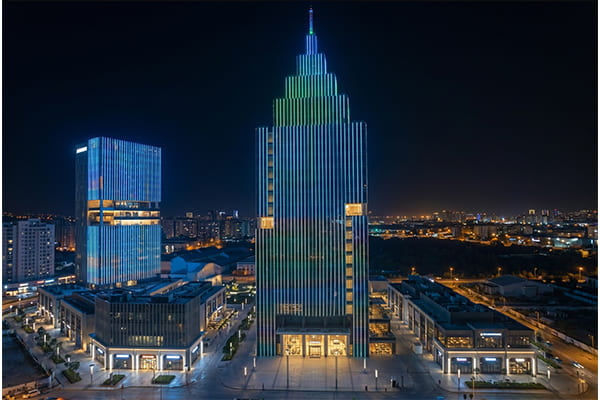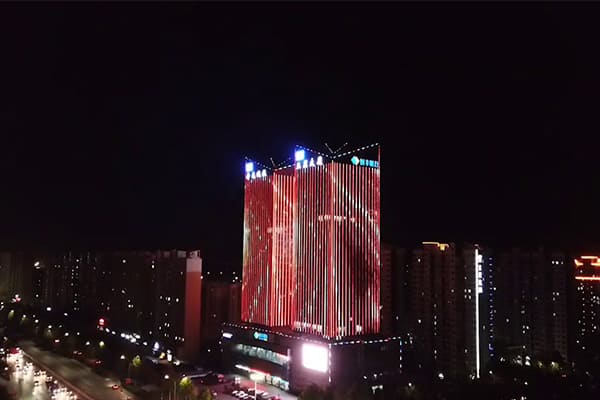
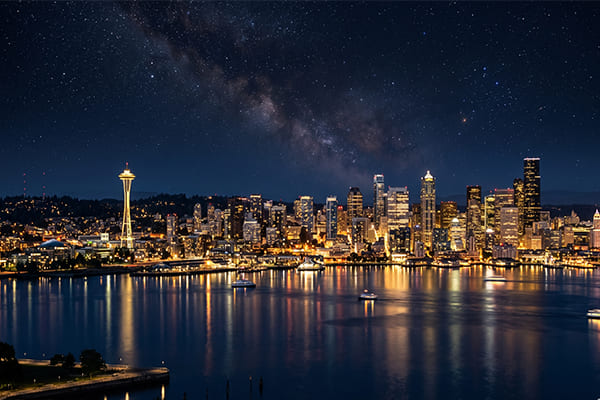
Struggling to make your building stand out after dark? Simple floodlights often make architecture look flat and uninspired. I'll show you how light can completely reshape a building's identity.
Architectural lighting isn't just about making a building visible. It's a second design process.1 Using specific techniques, light can highlight textures, define shapes, and create a completely new atmosphere, turning a static structure into a dynamic nighttime landmark. It's about telling a new story after sunset.
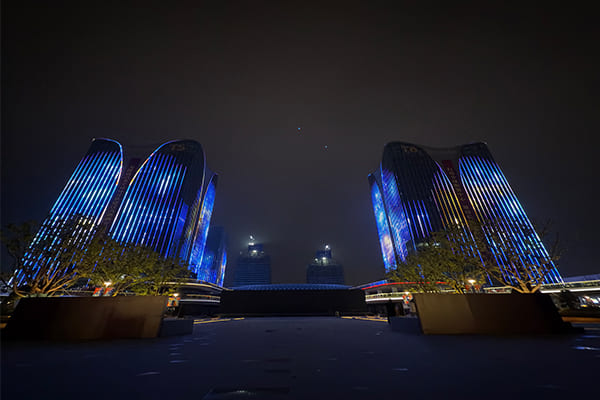
You see, it's not as simple as just pointing a light at a wall. The magic is in the details, in how we use light to speak a new language. Let's start by looking at the specific tools we use in our lighting design toolkit. These techniques are the foundation for everything we do.
What Techniques Actually Reshape a Building's Nighttime Look?
Wondering why some lit buildings look stunning while others are just... bright? It's not magic. It's about using the right techniques to tell a story with light.
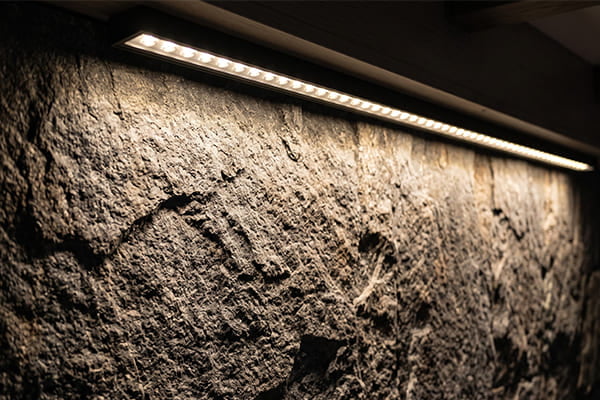
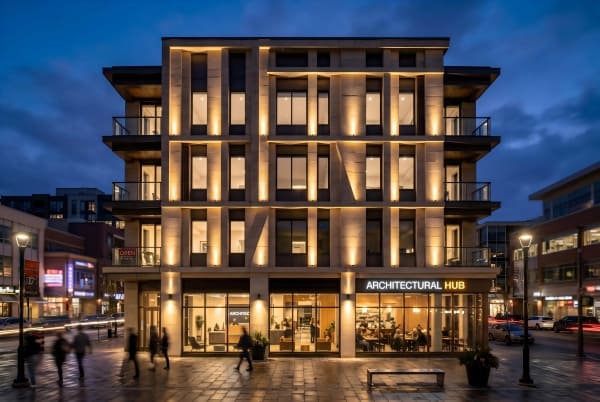
Key techniques include Wall Grazing to show texture, Wall Washing for a clean look, Outline Lighting to define the silhouette, and Accent Lighting to highlight features. Each method gives the building a different personality and visual impact, turning a flat surface into a dynamic canvas.
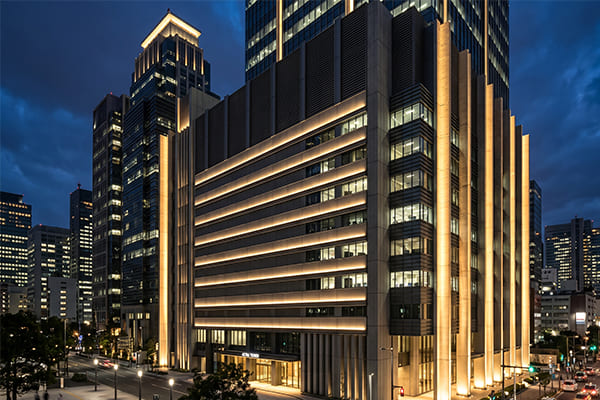
I've worked on many projects where the client initially just wanted 'to be seen'. But when I showed them the difference between flooding a wall with light and carefully grazing it, their perspective changed completely. The texture of the stone, which was invisible before, suddenly popped. It's about choosing the right brush for the right canvas. The techniques we use are fundamental to this process.
From Texture to Silhouette
Each lighting method serves a distinct purpose. Wall Grazing places lights very close to a surface to cast dramatic shadows, making textures like stone or brick come alive.2 In contrast, Wall Washing places lights further away to create a smooth, even field of light3, giving a facade a pure and modern feel. Then there is Outline Lighting, which uses linear fixtures to trace the building's silhouette against the night sky4, making it instantly recognizable from a distance. Finally, Accent Lighting uses focused beams to draw attention to key architectural elements like columns, entrances, or brand logos.
Choosing the Right Tool
This isn't just a list of options; it's a strategic choice. For a historic building, I might use Wall Grazing to celebrate its aged brickwork. For a sleek, modern corporate headquarters, Wall Washing creates that feeling of clean precision. It's all about matching the lighting technique to the architectural story.
| Technique | Primary Goal | Best For | Visual Effect |
|---|---|---|---|
| Wall Grazing | Emphasize surface texture | Stone, brick, textured concrete | Creates strong shadows, adds depth |
| Wall Washing | Create a smooth, even surface | Modern facades, clean walls | Hides imperfections, looks pure |
| Outline Lighting | Define the building's shape | Towers, bridges, rooflines | Creates a distinct silhouette |
| Accent Lighting | Highlight specific elements | Entrances, columns, logos | Draws the eye, creates focus |
How Does Lighting Change the Mood of a Building?
Do you notice how some places feel warm and inviting, while others feel futuristic and cool? That's not an accident. The color and movement of light directly influence our emotions.5
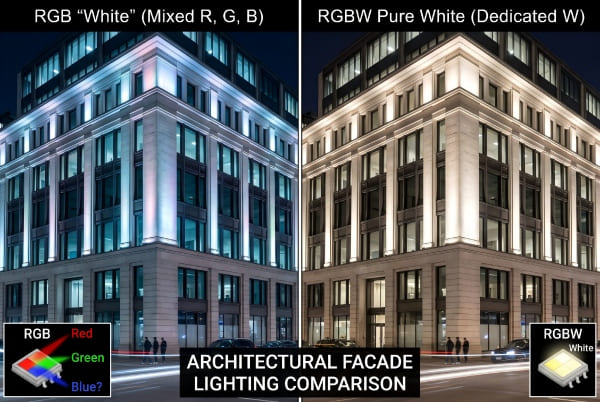
Light profoundly impacts our feelings. Warm white light creates a cozy, high-end atmosphere. Cool white light gives a sense of technology and modernity. Dynamic RGBW lights can even transform a building into an interactive display for events and holidays.
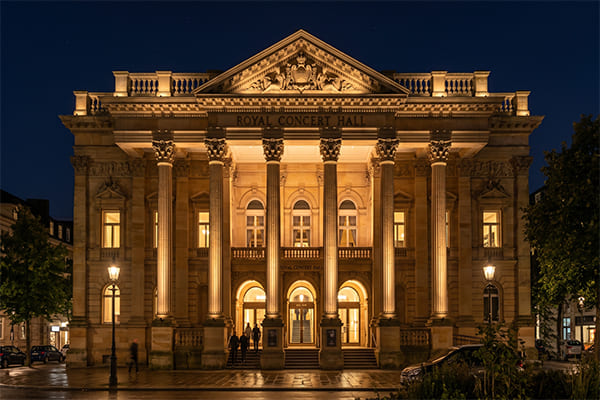
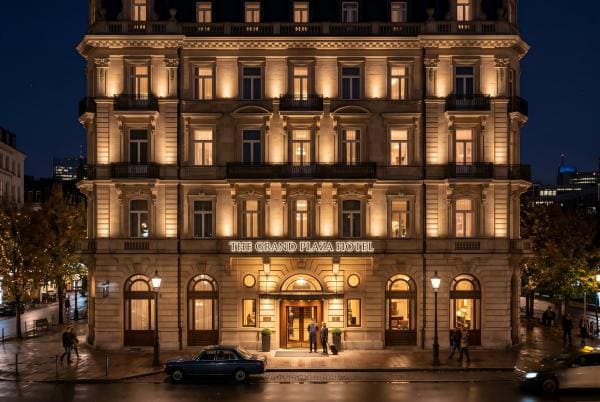
I remember a project for a luxury hotel. The client was worried the building would look cold at night. We switched from a standard neutral light to a warm white, around 2700K. The change was instant. The building felt more welcoming, more luxurious. That's the power of color temperature.
The Psychology of Color Temperature
The choice of color temperature is one of the most critical decisions in a lighting project. It's not just about aesthetics; it's about psychology. Different colors of white light create very different emotional responses.
- Warm White (2200K-3000K): This light feels inviting, comfortable, and luxurious. It's great for hotels, restaurants, residences, and historic sites where you want to create a sense of heritage and comfort.
- Neutral White (3500K-4000K): This is a clean, professional, and clear light. We often use it for offices, public squares, and retail spaces where clarity and alertness are important.
- Cool White (4500K+): This light feels modern, technological, and futuristic. It's perfectly suited for tech campuses, stadiums, and cutting-edge architectural designs that want to convey innovation.
From Static to Interactive: The Rise of Media Architecture
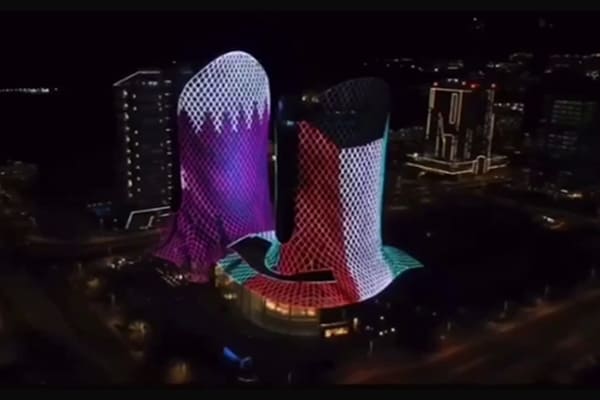
But we're moving beyond static colors. With RGBW (Red, Green, Blue, White) fixtures and DMX controls, buildings are becoming dynamic canvases.6 We can program light shows for national holidays, sync colors to a home team's victory, or create flowing patterns for a music festival. The building is no longer just a structure; it's a communication tool. This is what we call "Media Architecture," where the facade becomes a platform for storytelling and public engagement7, turning the city itself into a more interactive and vibrant space.
Can Lighting Truly Change How We See Building Materials?
A building's materials look one way in daylight. But at night, they can be completely transformed. Light can make solid walls seem transparent and simple surfaces look incredibly complex.
Absolutely. Night lighting is essentially a 'second architectural design'. The right light can make glass facades appear more transparent and layered, turn a metal skin into a futuristic beacon, or make wood feel even warmer and more natural. It redefines the material's character.
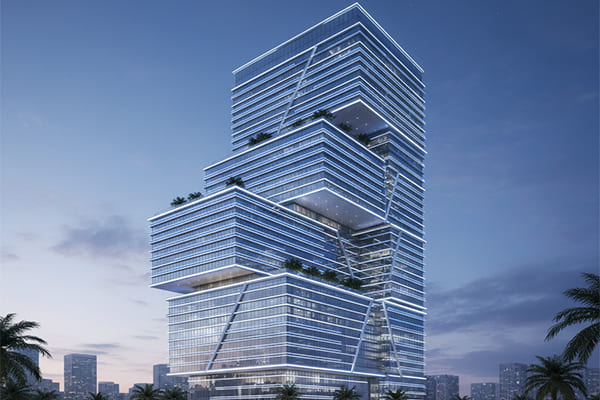
During the day, a building's materials are defined by sunlight. We see the true color of the brick, the reflection on the glass. But at night, we get to decide what the material looks like. I see this as one of the most creative parts of my job. We're not just illuminating a surface; we are giving it a new identity.
Redefining Material Character
Light interacts with every material differently, and we use this to our advantage. A heavy concrete wall, which might look brutalist during the day, can be made to feel light and intricate with grazing light that picks up its subtle textures. A glass skyscraper that acts as a mirror by day can be made to glow from within at night8, like a massive lantern. It’s all about understanding the material and using light to either enhance its natural properties or completely subvert them.
Light as a Design Partner
This process is a creative partnership between the light and the material. We are not just lighting the material; we are collaborating with it to create a new nighttime experience. This is how we truly achieve a "second architectural design."
| Material | Daytime Appearance | Nighttime Transformation with Light |
|---|---|---|
| Glass Curtain Wall | Reflective, shows interior/exterior | Can become transparent, opaque, or a canvas for light shows |
| Metal Panels | Solid, has a metallic sheen | Looks futuristic, sleek, can create sharp, clean reflections |
| Textured Concrete | Raw, heavy, and solid | Becomes a canvas for shadows, highlighting its texture |
| Wood | Natural, warm, and organic | Feels even warmer, cozier, and more inviting |
Is Modern Architectural Lighting Just About Being Bright?
The old way was to blast buildings with light. But this 'brighter is better' approach is outdated and harmful. Today, smart lighting is about precision, efficiency, and sustainability.
Definitely not. The trend is moving away from 'light pollution' towards 'smart lighting'. Modern systems use DMX, DALI, and IoT controls for dynamic changes. The focus is now on precise light control, reducing glare, saving energy, and respecting the nighttime environment.
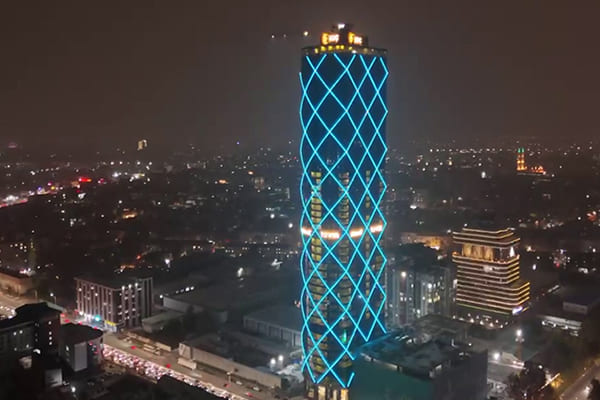
In the early days of my career, many projects were just 'floodlighting projects'. The goal was simple: make it bright. We now know this causes glare, wastes energy, and contributes to light pollution.9 The industry has shifted dramatically. Today, a successful project is intelligent and responsible.
The Shift to Smart Systems
Technologies like DMX—the same standard used in stage lighting—allow us to control every single light fixture independently.10 We can create complex, dynamic shows that were impossible before. IoT (Internet of Things) integration means a building's lighting can respond automatically to real-world data like the weather, the time of day, or special events. This level of control allows for incredible creativity but also for incredible efficiency. For instance, we can program the lights to dim during late-night hours, saving energy and reducing skyglow.
Balancing Brilliance with Responsibility
The new priorities in our industry are clear. We focus on:
- Precision: Only light what needs to be lit, avoiding wasteful spill light.
- Glare Reduction: Ensure visual comfort for pedestrians, drivers, and nearby residents.
- Energy Efficiency: Using high-quality LED fixtures and smart controls to minimize power consumption.
- Reducing Light Pollution: Designing systems that direct light downwards and protect dark skies and local ecosystems.
A truly great lighting design is one you almost don't notice for its flaws. It guides your eye, creates a mood, and respects its surroundings without blinding you or the sky. It's a delicate balance.
Conclusion
Ultimately, great architectural lighting is about balance. It’s about finding that sweet spot between aesthetics, experience, sustainability, and respect for the night itself. It enhances, not overpowers.
"Architectural lighting design - Wikipedia", https://en.wikipedia.org/wiki/Architectural_lighting_design. The source supports the view that architectural lighting is an integral design discipline that shapes perception, visual hierarchy, and spatial experience rather than merely providing visibility. Evidence role: expert_consensus; source type: institution. Supports: Architectural lighting functions as a second design process, not just a means of making a building visible.. Scope note: This supports the article’s framing conceptually; it does not prove that every lighting intervention constitutes a full second design process. ↩
"Outdoor Lighting 101: Wall Washing Vs. Wall Grazing - CAST Lighting", https://cast-lighting.com/blog/post/outdoor-lighting-101-wall-washing-vs-wall-grazing. The source defines wall grazing as placing luminaires close to a textured surface so that shallow-angle light creates shadows and increases the visual prominence of surface relief. Evidence role: definition; source type: institution. Supports: Wall grazing uses close fixture placement and shadows to emphasize texture.. ↩
"7 tips for your perfect wallwashing - Photometrics & practice | ERCO", https://www.erco.com/en_us/projects/focus/photometrics-practice/7-tips-for-your-perfect-wallwashing-7171/. The source defines wall washing as a lighting technique in which luminaires are set back from a wall to produce relatively uniform illumination across the surface. Evidence role: definition; source type: institution. Supports: Wall washing uses greater fixture distance to create smooth, even illumination.. Scope note: Uniformity depends on fixture optics, spacing, mounting height, and surface properties, so the source supports the principle rather than a guaranteed result. ↩
"Facade Lighting Fixtures - Boca Lighting and Controls", https://boca.lighting/applications/facade-lighting/. The source describes façade or outline lighting as the use of linear or contour-following luminaires to emphasize architectural edges, rooflines, and silhouettes at night. Evidence role: definition; source type: institution. Supports: Outline lighting uses linear fixtures to define a building’s nighttime silhouette.. Scope note: The source may describe the technique generally and may not address its effectiveness for every building type or viewing distance. ↩
"The impact of light and colour on psychological mood - PubMed", https://pubmed.ncbi.nlm.nih.gov/17050390/. The source reviews evidence that light characteristics such as color temperature, intensity, and temporal variation can affect human perception, mood, alertness, and emotional appraisal. Evidence role: expert_consensus; source type: paper. Supports: The color and movement of light can influence emotional responses.. Scope note: Psychological responses to light vary with culture, context, task, age, and individual preference, so the evidence supports influence rather than a uniform emotional effect. ↩
"Architectural Systems - ETC Lighting", https://www.etcconnect.com/Products/Architectural-Systems/. The source explains that RGB/RGBW LED luminaires combined with DMX or comparable control protocols enable programmable color changes and dynamic façade-lighting sequences. Evidence role: mechanism; source type: institution. Supports: RGBW fixtures and DMX controls allow buildings to function as programmable dynamic light surfaces.. Scope note: The source supports the technical capability; it does not evaluate the artistic quality or public reception of specific installations. ↩
"From Media Facades to Facade Media: A Re-Conceptualization ...", https://dl.acm.org/doi/fullHtml/10.1145/3627611.3627619. The source defines media architecture as the integration of digital media, lighting, or display technologies into the built environment, including façades used for communication, expression, and public interaction. Evidence role: definition; source type: education. Supports: Media architecture uses building façades as communicative or interactive media surfaces.. Scope note: The source supports the concept of media architecture but may not prove that a specific façade achieves meaningful public engagement. ↩
"Low Energy Facades & Daylighting", https://windows.lbl.gov/low-energy-facades-daylighting. The source explains that glass façades change appearance with relative interior and exterior illumination, often appearing reflective in brighter exterior daylight and more transparent or luminous when interior light dominates at night. Evidence role: mechanism; source type: education. Supports: Glass façades can appear reflective by day and luminous or transparent at night because of changing lighting conditions.. Scope note: The effect depends on glass type, coatings, interior lighting levels, viewing angle, and exterior ambient light. ↩
"NR Light Pollution Reduction | NJ Green Building Manual", https://greenmanual.rutgers.edu/nr-light-pollution-reduction/. The source documents that poorly directed or excessive outdoor lighting can produce glare, consume unnecessary energy, and contribute to skyglow and other forms of light pollution. Evidence role: expert_consensus; source type: institution. Supports: Excessive floodlighting can cause glare, waste energy, and contribute to light pollution.. Scope note: The source supports the general consequences of excessive or misdirected lighting; it may not address architectural floodlighting projects specifically. ↩
"RDM (lighting) - Wikipedia", https://en.wikipedia.org/wiki/RDM_(lighting). The source identifies DMX512 as a digital communication standard developed for controlling stage lighting and explains that it can address multiple lighting channels for independent fixture control. Evidence role: definition; source type: encyclopedia. Supports: DMX is a stage-lighting control standard that enables addressable control of individual lighting fixtures or channels.. Scope note: Independent fixture control requires compatible fixtures, addressing, wiring or networking infrastructure, and sufficient control channels. ↩