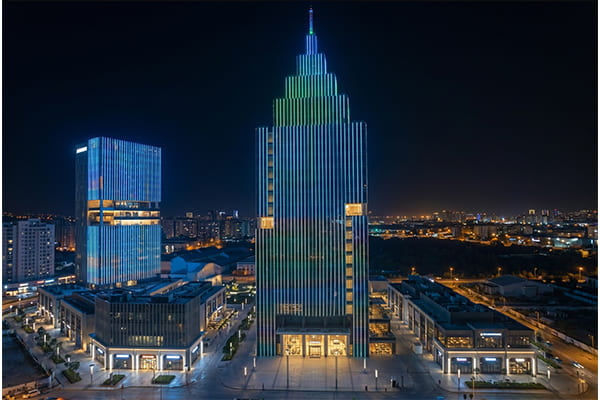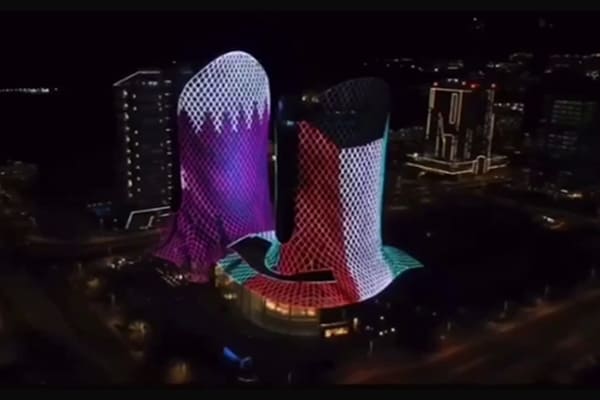
Starting a facade lighting project feels overwhelming. You worry about technical details and a failed outcome. Let me show you how to ensure your first project is a success.
For a successful first project, choose a supplier who guarantees 100% project delivery. They should provide full support, from design and wiring diagrams to step-by-step installation guidance, ensuring the final result matches the vision and satisfies the owner.
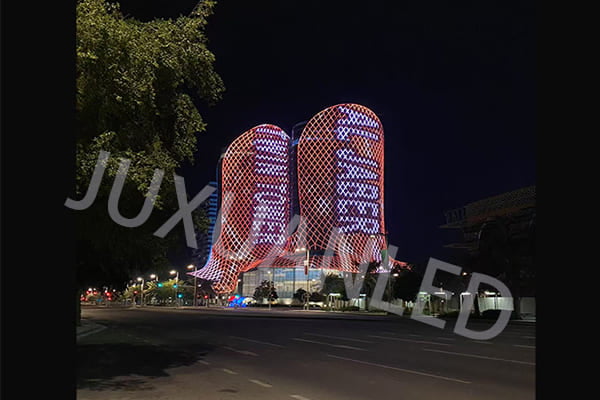
Choosing the right partner is the first and most critical step. But what does "full support" really mean? It's more than just selling you lights. It's about a shared commitment to the project's success.
Let's break down what you should look for in a supplier to avoid common pitfalls. This will ensure a smooth process from start to finish.
How Can You Guarantee Your Project Gets Completed 100%?
You've seen projects stall or fail completely. This is a huge risk for your business and reputation. You need a supplier who is a true partner, not just a vendor.
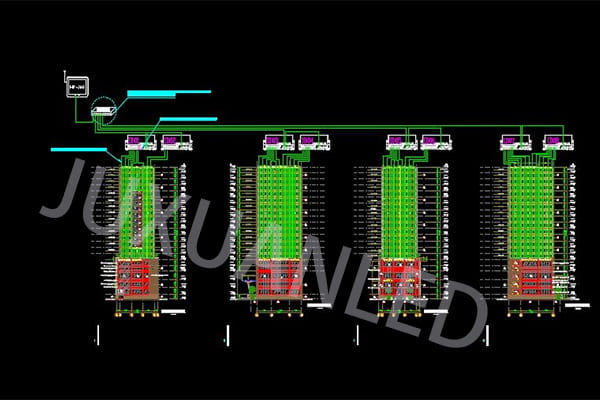
To guarantee completion, partner with a supplier who provides comprehensive pre-sale services. This includes a satisfactory design and detailed system wiring diagrams for all lights, power supplies, and controllers before you even place an order. This ensures a clear, executable plan from day one.
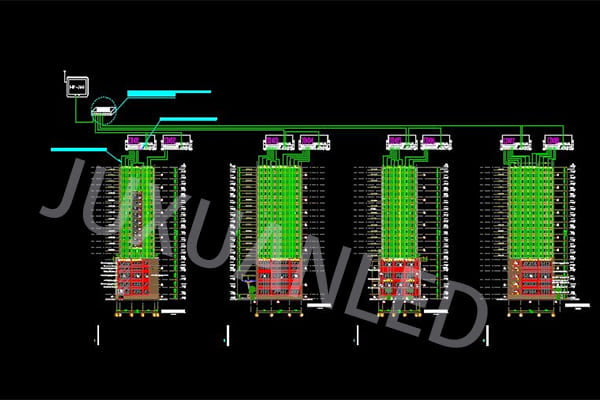
A reliable supplier goes far beyond simply sending you a product catalog. The promise of 100% project delivery begins long before the first payment is made. It's about building a solid foundation for the entire project.
Beyond the Product Catalog
A good supplier understands the whole system. They don't just sell you a light fixture; they sell you a complete, working solution. They must be experts on how their lights, power supplies, and control systems all work together. When I work with a new client, I first make sure I understand their goal. Then, I propose a solution that includes all the necessary components. This proves that we have the capability not just to manufacture, but to design and integrate a full system. This holistic approach is the first sign that your supplier is committed to the final outcome, not just making a sale.
The Power of a Good Plan
The most critical piece of this pre-sale service is the system wiring diagram. This is your project's roadmap. I always provide these diagrams based on the project’s specific engineering drawings. A clear diagram prevents so much confusion on site. It tells the installation team exactly which power supply connects to which lights and how the control signal flows. This simple document reduces errors, saves valuable time, and lowers labor costs. Without it, your team is essentially working blind. This can lead to costly mistakes, damaged components, and major delays. A detailed, accurate plan is the bedrock of a 100% deliverable project.
What Kind of Technical Support Should You Expect for Your First Project?
You're new to facade lighting. The technical side is confusing, and you're afraid of making mistakes during installation. You need a supplier who can teach you everything.
A great supplier acts as your teacher. They should provide step-by-step guidance for every technical aspect. This includes videos and photos explaining wiring, cable colors, and connection precautions. They should also pre-label products with crucial parameters like RGB order or IC model.
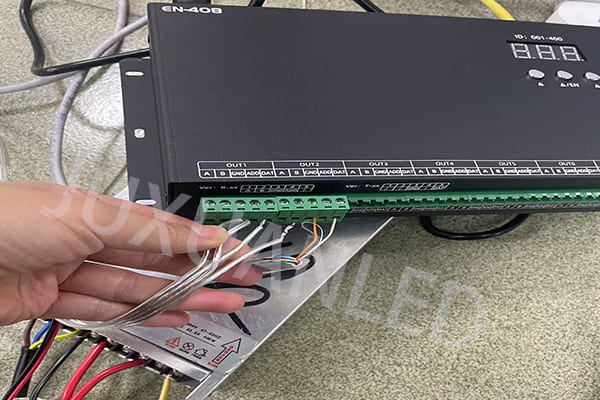
For a beginner, the installation phase can be the most stressful part of a project. A good supplier understands this and prepares you for success. Their job is to transfer their knowledge to you and your team in the simplest way possible.
Visual Learning is Key
Reading a technical manual is one thing, but seeing how it's done is much more effective. People learn best by watching. That's why I make it a rule to film short videos and take clear pictures for my clients. We show exactly what each color wire means and what to watch out for during connections. For example, we'll send a video explaining how to wire a DMX controller or how to make a waterproof connection. This simple step prevents so many common problems on-site. It empowers the local installation team and gives them the confidence to do the job right the first time.
Pre-Project Preparation
Support should start before the products even arrive at your site. We prepare by labeling the lights with important information. For RGB pixel lights, we clearly mark the pixel order (e.g., RGB, GRB). For DMX512 systems, we send instructions and videos on how to address the lights correctly. We specify the IC model used in the lights. This preparation helps the client's team get familiar with the system before they even open the boxes. It makes the installation process much faster and smoother because the basic questions are already answered. This proactive support shows that your supplier is thinking ahead and is invested in your success.
How Do You Ensure the Final Lighting Effect Matches the Design?
The design looks amazing on paper. But you're worried the final installation won't look the same. A mismatch between design and reality can disappoint your client and ruin the project.
Your supplier must share your goal: to achieve the design effect 100% and satisfy the owner. They must stay in constant communication during installation, ready to solve problems with video calls and pictures. If needed, they should be willing to provide on-site installation guidance.
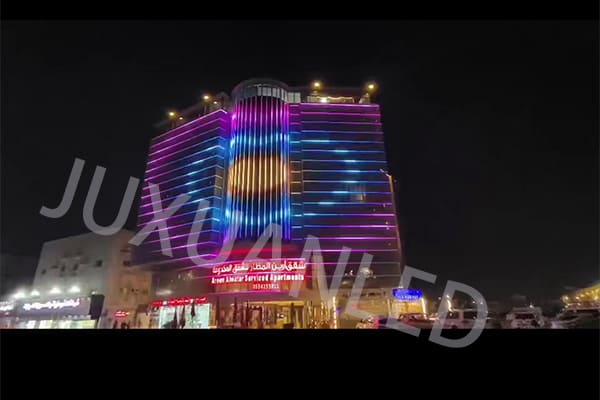
The ultimate measure of success is a happy property owner who loves the final lighting effect. Your supplier shouldn't disappear after they've been paid. They must remain your partner until the lights are on and the project is celebrated.
A Shared Mission
Selling products is the easy part. Ensuring those products create the intended beautiful effect is the real job. I personally see every client's project as my own. My goal is the same as theirs: to make the building owner happy. This means my work isn't finished when the products are shipped from our factory. My work is finished when the lights are on, the programming is perfect, and everyone is satisfied with the result. This shared mission is the core of a true partnership. Look for a supplier who cares about the final outcome as much as you do.
Real-Time Problem Solving
Problems almost always happen during installation, especially for new teams. The key is fast and effective support. Your supplier's engineers must be available and responsive. When a client sends us a photo or video of an issue, we need to respond quickly with a solution. Sometimes it’s a simple fix that just requires an expert eye. We use video calls to guide them live. In more complex situations, we must have the capability to send our own engineers to the project site. This provides hands-on guidance to solve the problem and train the local team. This commitment to solving problems, no matter how big or small, ensures your project doesn't get stuck.
Why Is the Cheapest Supplier Often the Most Expensive Choice?
You need to control your budget. A low price from a supplier seems attractive. But what if that low price leads to project delays, rework, and a final cost that's much higher?
Don't just look at the price tag. In China, you can find any price. Instead, evaluate a supplier's experience and their ability to solve problems quickly. A cheap supplier without support can cost you more in delays and rework. True value comes from a partner who ensures project success.
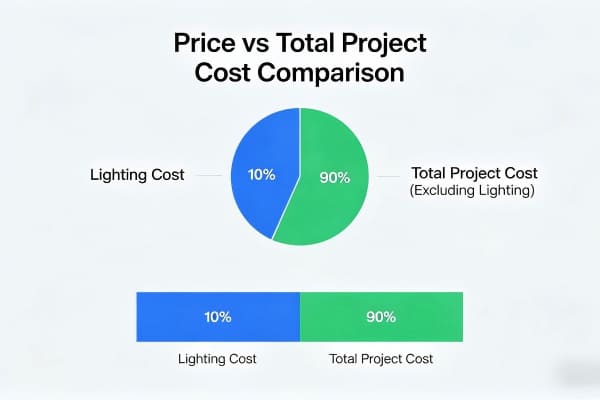
Choosing a supplier based only on the lowest price is one of the biggest mistakes a beginner can make. Experience has taught me that the initial savings often lead to much greater costs down the road.
A Lesson from a Real Project
I remember a project in Russia. The system debugging took a very long time. Our engineer repeatedly told the client's team to change specific wires and not to use random, unsuitable electrical cables for connections. The client's local electrician was proud and insisted he was a professional and that his way was fine. He refused to listen. The problems continued, and the project stalled. Finally, the client himself had to climb up on the scaffolding and personally direct the electrician to make the exact changes we had been suggesting for weeks. The problem was solved immediately. This project taught a valuable lesson: a low price for lights is useless if you don't have the expertise and support to install them correctly. The cost of delays and rework far exceeded any initial savings.
Price vs. True Cost
You must also listen to the advice given by your expert supplier. A good project requires cooperation. When we identify a problem and suggest a correction, it's critical that the on-site team follows the instructions. Let's compare the two types of suppliers.
| Feature | Cheap Supplier | Value Partner |
|---|---|---|
| Initial Price | Low | Higher |
| Support | None / Slow | Fast & Expert |
| Problem Solving | It's your problem | It's our shared problem |
| Project Delays | High risk | Low risk |
| Final Cost | Often very high | Predictable & Controlled |
As you can see, the initial savings can disappear very quickly. The cheapest choice often becomes the most expensive one in the end. Always choose a partner, not just a price.
Conclusion
A successful facade lighting project depends heavily on your supplier. Choose a partner who guarantees delivery, offers expert hands-on support, and shares your goal of a perfect final result.