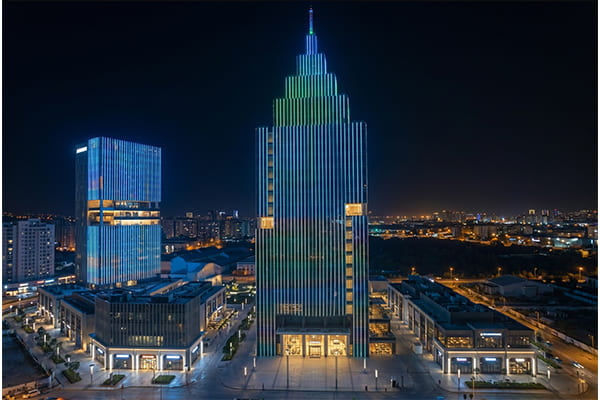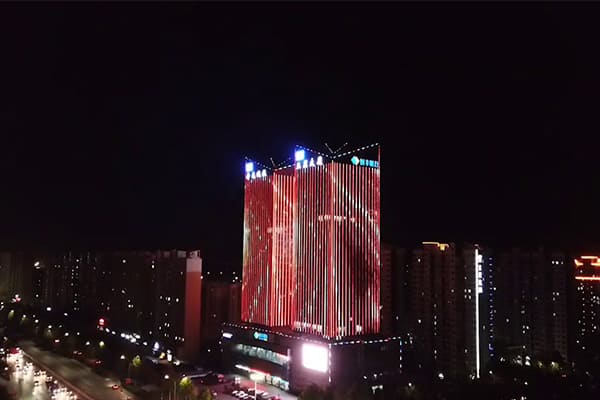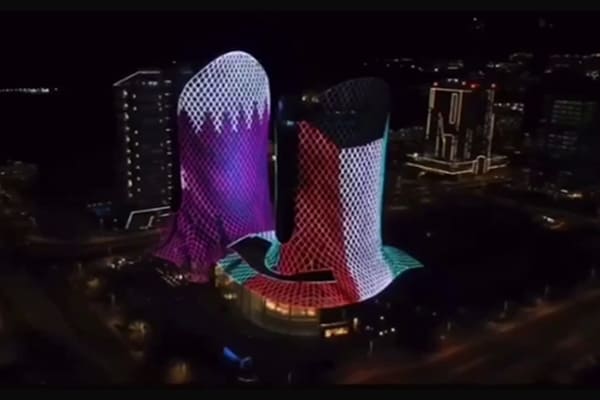
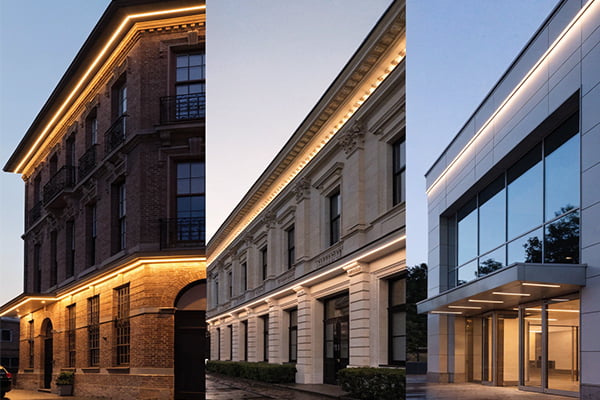
Struggling to pick the right light color for your building? A wrong choice can make a great design look off. Understanding color temperature1 is key to getting the perfect look.
The best color temperature1 for exterior lighting depends on the building's material and the desired mood. For example, use warm white2 (2700-3200K) for historic brick and natural white3 (4000K) for modern concrete facades. This choice directly impacts how people perceive the architecture at night.
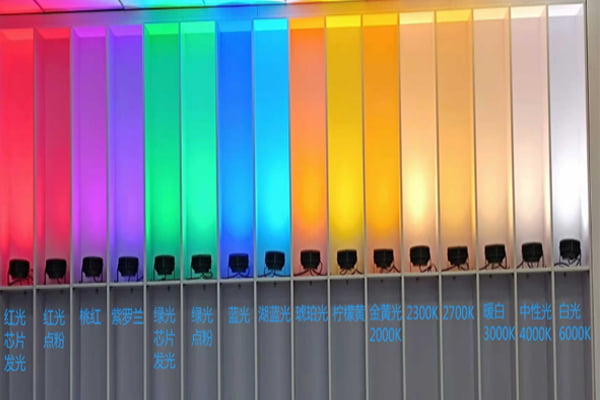
Choosing the right color temperature1, measured in Kelvin (K)4, is one of the most important decisions in an exterior lighting project. It's not just about making a building visible. It's about creating a feeling, highlighting textures, and telling a story. A simple number can change a warm, inviting facade into a cold, sterile one. I've seen it happen. That's why we need to look deeper into what these numbers mean and how to use them correctly. Let's break down the common options and learn from real-world examples. This will help you make the best choice for your next project.
What are the most common color temperature1s for facade lighting?
Picking the right Kelvin for a facade feels complicated. You worry a warm light might look too yellow or a white light might seem too clinical. This choice sets the mood.
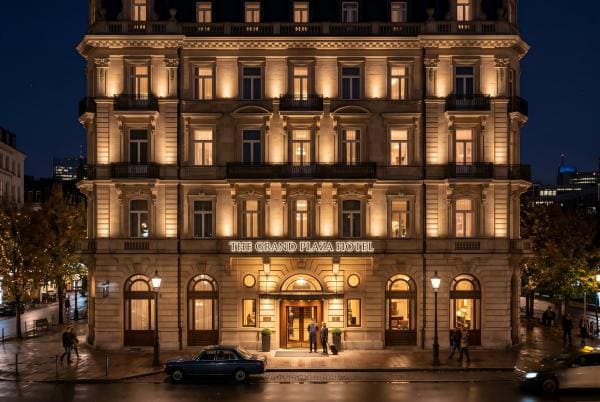
For facade lighting, we commonly use 1800-2200K (Yellow), 2700-3200K (Warm White), and 4000K (Natural White). Warmer tones suit historical or traditional buildings, while cooler tones are better for modern structures. Matching the light to the architecture is essential.
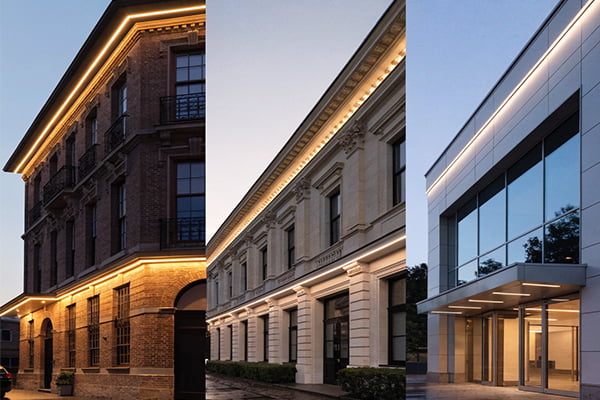
In my years at JUXUANLED, I've worked on countless facade projects. We've found that a few specific color temperature1 ranges cover most situations. It's not about having endless options. It's about knowing which tool to use for the job. We need to think about the building's materials and the atmosphere the client wants to create. A warm, golden light can make old stone feel historic and grand. A crisp, natural white3 light can make a modern glass-and-steel building look sharp and clean.
Here's a simple breakdown I use to guide our clients:
| Kelvin Range | Common Name | Best For... | Mood Created |
|---|---|---|---|
| 1800K - 2200K | Amber / Yellow Light | Historic buildings, stone, wood, creating a candle-like glow. | Very warm, intimate, historic, relaxing. |
| 2700K - 3200K | Warm White | General purpose, brick, sandstone, residential buildings. | Cozy, inviting, welcoming, comfortable. |
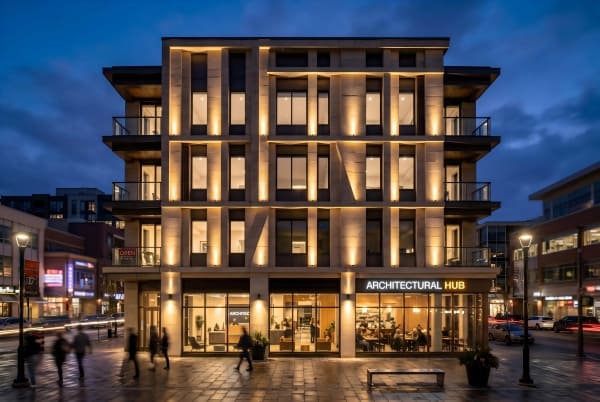
| 4000K | Natural White | Modern architecture, concrete, metal panels, office buildings. | Neutral, clean, professional, alert. |
| 5000K - 6500K | Cool White | Very modern or industrial structures, security lighting. | Crisp, stark, high-visibility, sometimes clinical. |
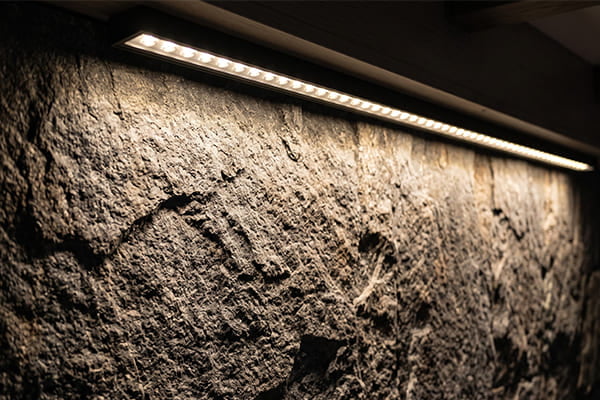
Understanding this simple chart is the first step. It helps you start the conversation with your client and narrow down the choices. Always consider the surface. Light doesn't exist in a vacuum; it interacts with the material it hits. 3000K on a red brick wall will look very different from 3000K on a grey concrete wall.
How does DMX512 RGBW5 change the color temperature1 game?
Static white light is great, but what if your project needs flexibility? You might want warm white2 for general use but vibrant colors for holidays. Installing separate fixtures is expensive and complex.
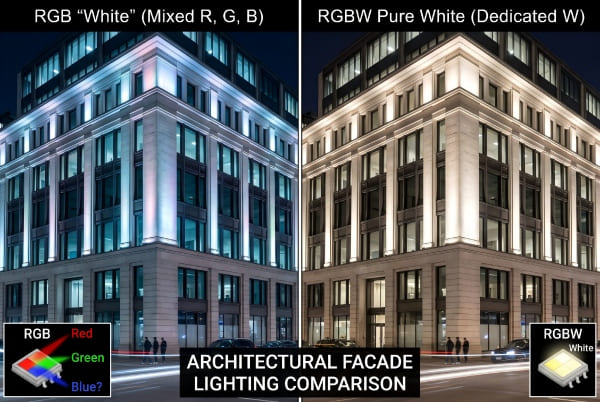
DMX512 RGBW5 fixtures solve this by combining color-mixing6 (RGB) with a dedicated White (W) LED chip. This allows you to create millions of colors and produce a high-quality, stable white light, like 3000K or 4000K, from a single fixture.
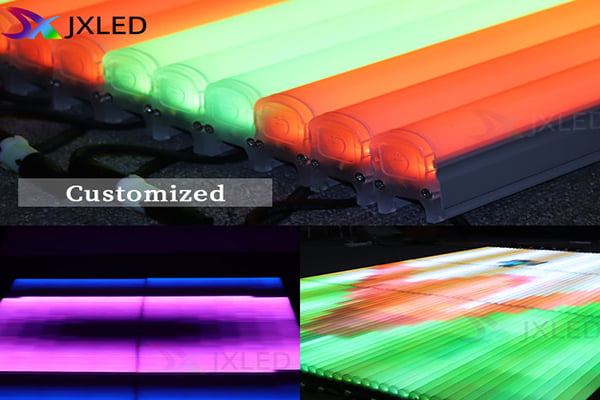
This technology has been a game-changer for us and our clients, especially in hospitality and public spaces. Before, if a client wanted both color and a specific white, the solution was clumsy. We would try to mix Red, Green, and Blue to make white. The result was often a poor-quality, inconsistent white with a purplish or greenish tint. It just didn't look professional.
The "W" in RGBW changes everything. It's a dedicated white LED chip that sits alongside the red, green, and blue ones. This means you get the best of both worlds:
- Dynamic Color: You can use the RGB channels to create any color you can imagine for special events, holidays, or brand promotion.
- High-Quality White: For everyday use, you can switch to the dedicated "W" channel. This gives you a pure, stable, and efficient white light.
When you specify an RGBW fixture, you also need to specify the color temperature1 of that white chip. We typically stock our RGBW wall washers and linear lights with a 3000K or 4000K white channel, as these are the most popular choices. However, we can customize this. We have built fixtures with 1800K for a very warm effect or 6500K for a very cool one. This flexibility allows a single lighting installation to adapt to any season, event, or mood, providing incredible value.
Can the manufacturing process really change the final color temperature1?
You've perfectly specified 3000K for your project. The samples looked great. But the final installed lights look like 4000K, ruining the warm effect you wanted. What happened?
Yes, absolutely. The waterproofing method7, specifically, can significantly alter a fixture's final color temperature1. For example, potting glue8 applied directly over LED beads can make the light appear cooler or whiter than intended. This is a critical detail to discuss with your manufacturer.
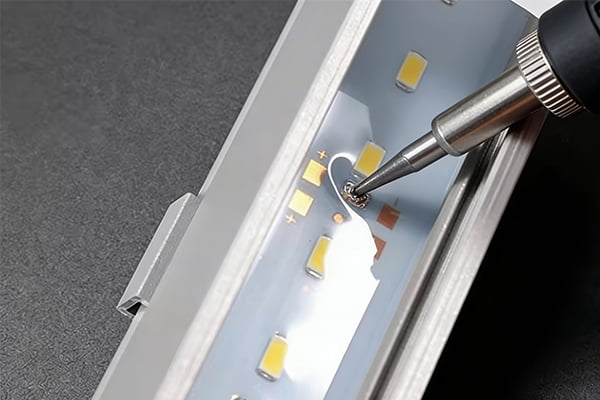
I learned this lesson the hard way on a project for a client in Saudi Arabia. It was a large order for linear lights, and the client was very specific: they needed exactly 3000K. We manufactured the lights using our standard glue potting method for waterproofing. This involves pouring a clear polyurethane glue over the entire PCB and LEDs to create a solid, waterproof block.
When the client received the fixtures, they called me immediately. They were not happy. They said, "You sent us 4000K, not 3000K!" I was confused because I knew we had used 3000K LED chips. After a lot of investigation, we discovered the problem. The thick layer of potting glue8, sitting directly on the LED source, was shifting the color. It acted like a filter, making the warm 3000K light appear as a much cooler, whiter light.
From that day on, we changed our process. Now, whenever a client has a strict requirement for a specific color temperature1, we ask more questions. We have a solution.
- Standard Method: Glue potting directly on LEDs. It's effective for waterproofing but can shift the color.
- Color-Critical Method: We first place a clear PC lens over the LEDs. Then, we pot the glue around and behind the lens. The lens creates a small air gap and protects the light source from direct contact with the glue. This preserves the original color temperature1 of the LED perfectly.
This experience taught me that manufacturing details are just as important as a good design.
When should you use very cool color temperature1s like 8000K-10000K?
You see these ultra-cool, almost blueish-white lights around. But applying them to a building facade can be a disaster. It often looks harsh, unwelcoming, and completely out of place.
Very cool temperatures (8000K-10000K) are rarely used for architectural facade lighting9. They are better suited for specific applications like backlit advertising signs, light boxes, or some modern art installations where you want a high-impact, attention-grabbing, and distinctly artificial look.
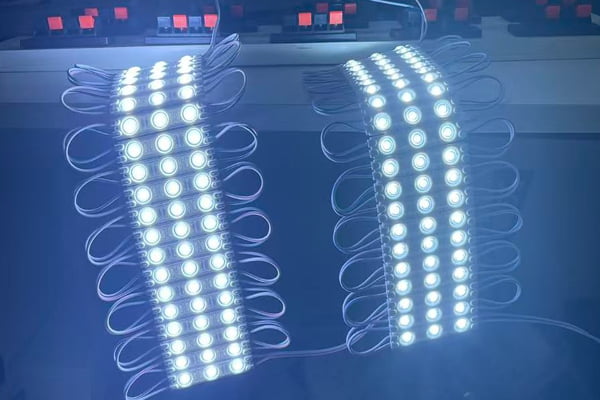
In our main business of outdoor landscape and facade lighting, we almost never use Kelvin values this high. Why? Because they render colors poorly and create a sterile, almost medical, feeling. A beautiful sandstone building lit with 8000K light would look flat, grey, and lifeless. The natural warmth and texture of the stone would be completely lost. These color temperature1s have a very low Color Rendering Index (CRI)10, meaning they don't show the true colors of the surfaces they illuminate.
So, where do they belong?
- Advertising: Think of the light boxes in a mall or the channel letters on a storefront. Here, the goal is maximum brightness and attention. The cool white11 light cuts through ambient light and makes graphics pop. We often see LED modules and light strips in this Kelvin range used for these purposes.
- Special Effects: In some ultra-modern or futuristic architectural designs, a lighting designer might use a touch of 8000K+ light as a specific accent. It can create a "cyberpunk" or sci-fi feel, but it must be used with great care and intention. It's a spice, not a main ingredient.
- Task Lighting: In some industrial or security settings where the primary goal is maximum visibility and alertness, not aesthetics, cooler temperatures are sometimes used.
For 99% of facade projects, you should stay in the 1800K to 5000K range. Using temperatures above that is a deliberate artistic choice for a very specific effect, not a general lighting solution.
Conclusion
Choosing the right color temperature1 is vital for your project's success. Understand the Kelvin scale, consider the building's material, and discuss manufacturing details with your supplier to achieve the perfect look.
Understanding color temperature is crucial for achieving the desired ambiance in any lighting project. ↩
Warm white lighting creates a cozy atmosphere, making it ideal for residential and historic buildings. ↩
Natural white light is perfect for modern architecture, providing a clean and professional look. ↩
Kelvin is the measurement of color temperature, essential for selecting the right lighting for your project. ↩
DMX512 RGBW technology offers flexibility in color and temperature, enhancing lighting design options. ↩
Color-mixing allows for dynamic lighting solutions, perfect for events and branding. ↩
Understanding waterproofing methods is essential to ensure the longevity and performance of LED lights. ↩
Potting glue is used for waterproofing but can affect color temperature; understanding this is key for quality. ↩
Architectural facade lighting enhances the beauty of buildings, creating a welcoming and attractive environment. ↩
CRI measures how accurately a light source displays colors, vital for aesthetic applications. ↩
Cool white lighting is often used in modern or industrial settings for its crisp and stark appearance. ↩