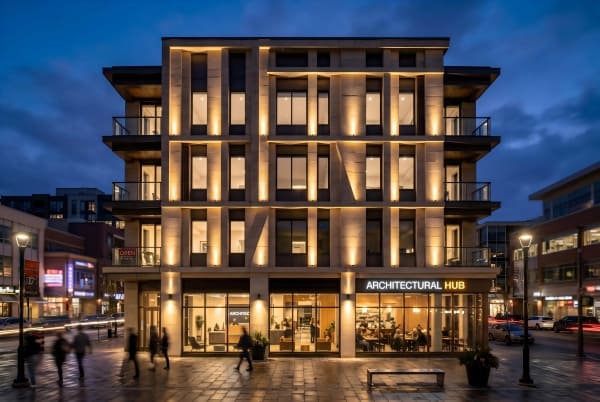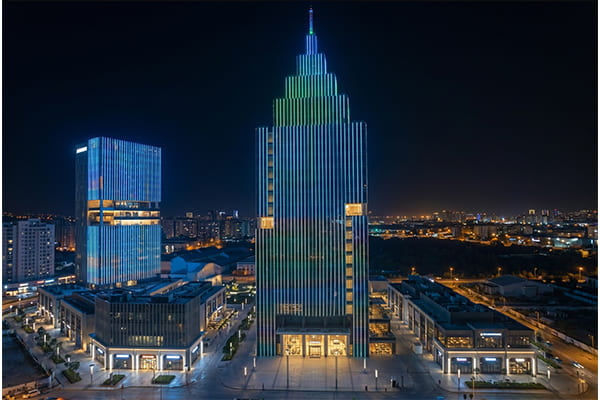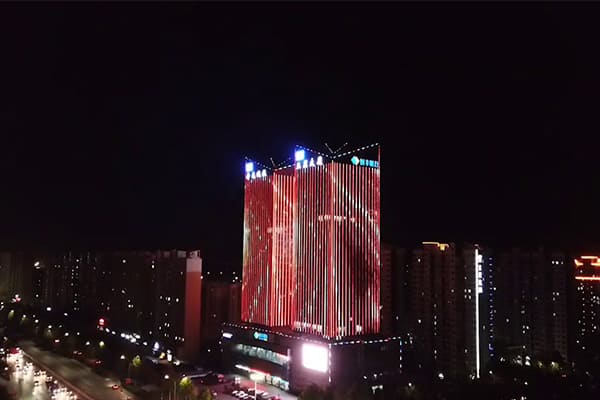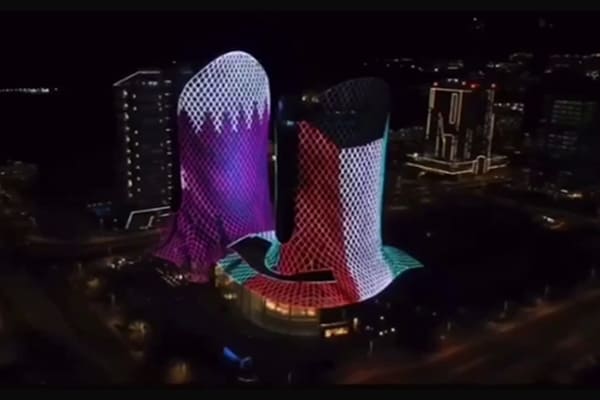
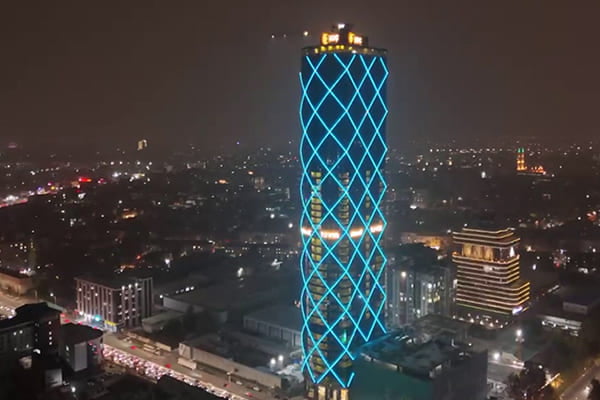
Stunning glass buildings can look terrible at night. Glare from poor lighting ruins the design and causes light pollution. But simple, smart lighting choices1 can create a truly premium look.
To avoid glare on glass facades2, your main goal is to "see the light, not the lamp." This means hiding the light fixtures, controlling the light's angle to prevent reflections, and ensuring the brightness is soft and uniform across the entire surface.
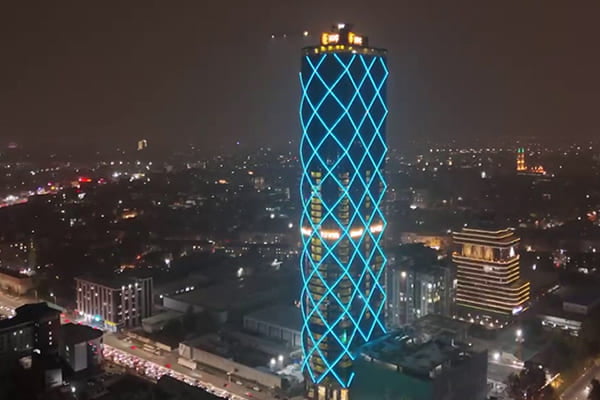
I've seen many amazing architectural projects struggle with their nighttime appearance. A sleek, transparent glass wall can become a confusing mirror of bright, distracting lights. The secret to success isn't about adding more light; it's about controlling the light you have. This guide will walk you through the exact strategies I use to make glass facades2 look their best after sunset. We will cover the technical details, practical project challenges3, and the key design principles you need to know.
What Are the Core Technical Strategies to Eliminate Glare?
Choosing the right lights and installing them correctly feels complicated. A wrong move can lead to a bad result and wasted money. The solution is to focus on three things: the fixture, its angle, and its placement.
Prioritize fixtures with deep anti-glare designs4, asymmetric optics5, and soft diffusers6. When installing, avoid aiming light straight at the glass. Instead, use an angle and hide the fixtures inside the building’s structure to cut glare at the source.
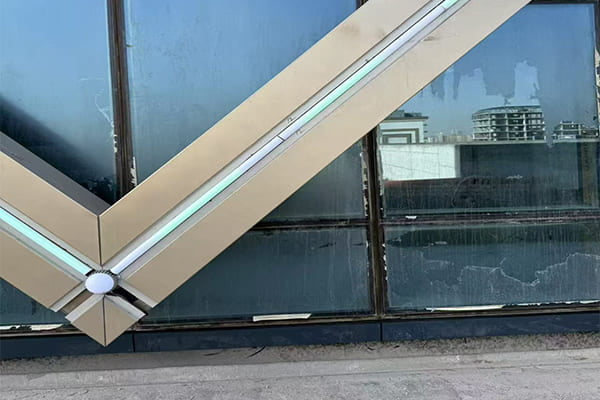
The most important rule I follow is "see the light, not the lamp." This means the viewer should experience a beautiful glow without ever seeing the physical light bulb or LED chip. To achieve this, we have to be very smart about our technical choices. First, we start with the fixture itself. Modern fixtures offer features specifically designed to reduce glare. Then, we think carefully about where and how to install them. The best method is always lighting from the inside out, which creates a natural, zero-glare effect like a lantern. However, clients often prefer exterior installations, so we must master techniques to handle that.
Here’s a breakdown of the technical elements I focus on:
| Feature | How It Reduces Glare | Why It's Important |
|---|---|---|
| Deep Anti-Glare | The light source is recessed deep inside the fixture housing. This shields it from direct view at most angles. | This is the first line of defense. It physically blocks the harshest light. |
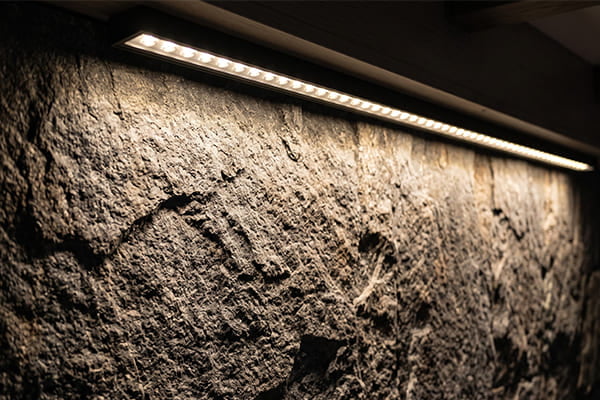
| Asymmetric Optics | The lens directs light sideways or forward at an angle, not straight out. This allows you to graze a surface with light. | It lets you wash a wall with light without aiming the fixture at the viewer. |
| Soft Diffusers | A frosted or milky cover is placed over the LEDs. This scatters the light, turning harsh points into a smooth, even line. | It eliminates "hot spots" and creates a softer, more high-end visual effect. |
By combining these fixture features with careful installation—like hiding lights in window mullions or under ledges—we can effectively eliminate both direct and reflected glare.
How Do You Balance Client Needs with Design Best Practices?
Clients often have specific demands, like exterior lighting or a tight budget, that can challenge a perfect design. Ignoring their needs is not an option, but you also don't want to compromise on quality. A good plan starts with asking the right questions.
You balance needs by first understanding all the project's practical limits. Ask about how windows open, frame dimensions, and color matching. Then, propose a creative solution that meets their goals, like advertising, within their budget by using smart fixtures and clever placement.
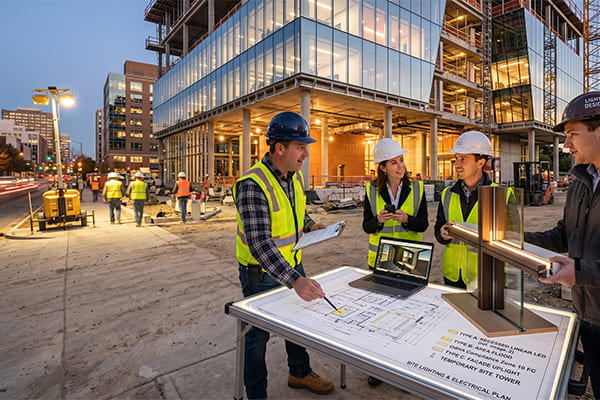
I remember a project in Iraq back in 2019 that shows this perfectly. The client had a hotel with a large glass facade. They wanted the lighting to look beautiful, but they also needed it to display text for advertising and show festive patterns during holidays. The biggest challenge was the budget—it was very, very low. The ideal "internal illumination7" was not possible. They wanted everything installed on the outside. So, I started asking questions. Do the windows open? What are the exact dimensions of the vertical and horizontal frames? Do you want the light fixtures to match the color of the building?
Based on their answers and their need for dynamic content on a budget, I proposed a solution using SPI-RGB linear lights. These are controllable pixel lights in a bar shape. We installed them vertically on the structural frames of the glass wall. I planned 13 columns of these lights, with about 1.5 meters of space between each column. This setup effectively turned the facade into a low-resolution screen. It was enough to show clear text and colorful animations. In the end, we delivered a dynamic, eye-catching facade that met all the client's goals, and we did it all within their tight budget. It taught me that a great solution is one that works in the real world, not just on paper.
What Are the Main Lighting Approaches for Glass Facades?
You know the principles, but what do the actual designs look like? Seeing all the different options can feel overwhelming if you don't have a clear framework. Most successful glass facade lighting designs use one of four main strategies.
The four main strategies are: Internal Illumination to light the building from within; Linear Contouring to outline the structure; Accent Lighting to highlight specific features; and Media Facades to create dynamic displays8 with pixel lights or mesh screens.
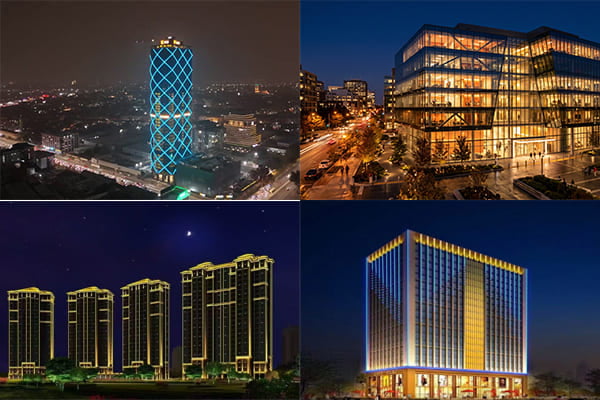
Each of these strategies serves a different purpose and creates a unique look. Choosing the right one depends on the building's architecture, the client's goals, and the budget. In my work, I often combine elements from different strategies, but understanding them individually is the first step. No matter which strategy you choose, it's critical to use lighting simulation software9 during the design phase and perform on-site testing before final installation. This ensures the effect you planned is the effect you get.
Here’s a closer look at each approach:
| Strategy | Description | Best For |
|---|---|---|
| Internal Illumination | Light fixtures are placed inside the building, pointing out. The entire building glows softly like a lantern. | Achieving a completely glare-free, subtle, and elegant effect. |
| Linear Contouring | Linear lights are used to trace the building's structural lines, like columns, floors, and frames. | Emphasizing the building's form and geometry. Creates a clean, modern outline. |
| Accent Lighting | Spotlights or wall washers are aimed at solid structural elements like pillars or spandrels, not the glass itself. | Drawing attention to specific architectural details and creating depth with shadow. |
| Media Facades | Individually controlled pixel lights or transparent LED mesh screens are installed on the facade to display video, text, and patterns. | Buildings that need to communicate, advertise, or create a dynamic public spectacle. |
Understanding these four core methods gives you a powerful toolkit. You can then select the right approach to make any glass building shine.
How Should You Control Brightness and Color for a Premium Feel?
It is very easy to make a building too bright or use the wrong color of light. Overly bright or mismatched lighting looks cheap and amateurish. The key to a high-end look10 is all about restraint and careful coordination.
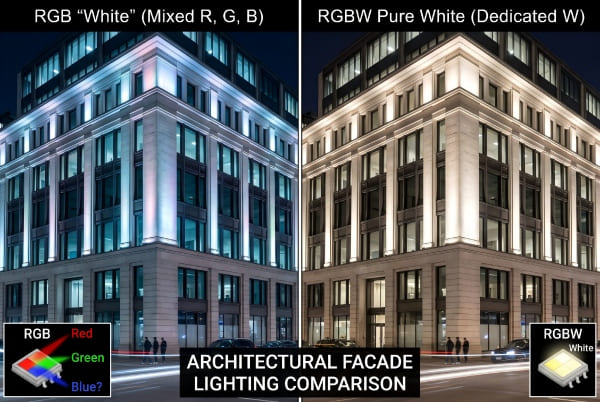
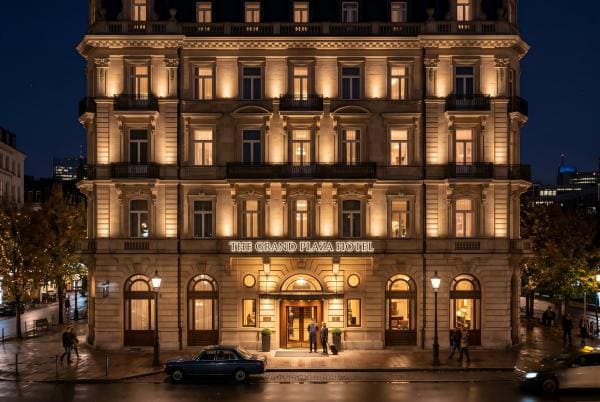
Control brightness by aiming for subtlety and uniformity, and avoid any "hot spots." You can use zoning to create layers of light for more depth. For color, you should match the light's color temperature11 to the tint of the glass for a cohesive, premium appearance12.
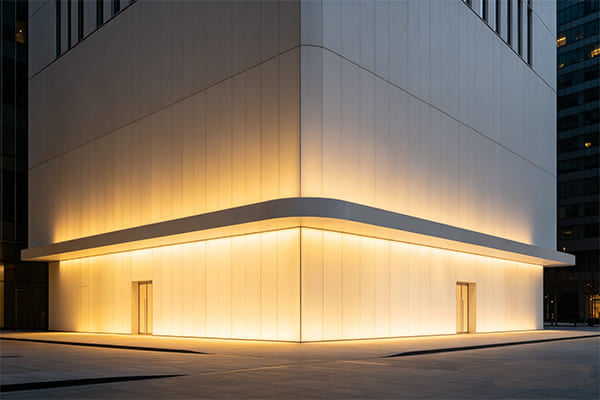
When it comes to brightness, less is almost always more. The goal is not to flood the facade with light, but to gently reveal its form. A common mistake is creating bright spots that are distracting and uncomfortable to look at. A smooth, even wash of light is far more sophisticated. I often use "zoning," which means dividing the facade into sections—like the base, middle, and top—and lighting them at slightly different intensities. This simple technique adds a sense of depth and hierarchy, making the entire composition more interesting.
Color is just as important as brightness. The color temperature11 of your light source must work with the color of the glass. If you get this wrong, the building can look "off" or cheap. The idea is to create a unified and harmonious look.
Here is a simple guide I use:
| Glass Tint | Recommended CCT | Resulting Effect |
|---|---|---|
| Cool / Blue Tint | Cool White (4000K–6000K) | Creates a crisp, clean, and modern aesthetic. |
| Warm / Bronze Tint | Warm White (2700K–3000K) | Gives a rich, classic, and inviting feeling. |
| Clear / Neutral | Neutral White (3500K–4000K) | Provides a natural, balanced, and true look. |
By carefully controlling brightness and coordinating color temperature11, you move beyond just making a building visible. You start crafting a nighttime identity for it—one that is restrained, layered, and truly premium.
Conclusion
To create a premium look, you must hide light sources, control glare13, enhance the structure, and manage brightness and color. This approach results in a refined and impressive glass facade.
Discover innovative lighting choices that elevate architectural designs. ↩
Explore expert insights on enhancing glass facades with effective lighting techniques. ↩
Explore the challenges faced in architectural lighting and how to overcome them. ↩
Understand how anti-glare designs can enhance visual comfort in lighting. ↩
Find out how asymmetric optics can improve light distribution and reduce glare. ↩
Learn how soft diffusers create a smooth, even light effect in architectural lighting. ↩
Explore the benefits of internal illumination for creating a warm glow in buildings. ↩
Explore methods for using lighting to create engaging and dynamic building facades. ↩
Learn how lighting simulation software can aid in effective lighting design. ↩
Discover tips for creating a sophisticated and premium appearance in lighting. ↩
Learn how color temperature affects the appearance of architectural lighting. ↩
Explore the elements that create a refined and impressive look in architectural lighting. ↩
Learn strategies to minimize glare and improve the aesthetic of buildings. ↩