Struggling to illuminate a historic building1 without causing harm? The wrong lights can ruin its character or even damage the structure. But modern LEDs offer a respectful way to showcase its beauty.
The best way to light a historic building1 is to follow the principle of "Respect and Symbiosis." This means using non-invasive, reversible installation methods2 and UV-free LED lights. Focus on warm color temperatures3 (2200K-3000K) and smart controls4 to enhance the building's original texture and character5 safely.
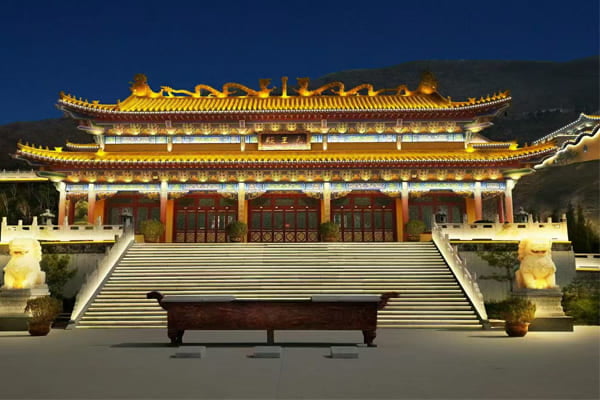
I have been fortunate enough to work on many lighting projects around the world. The ones that stick with me the most are always the historical ones. There is a special responsibility that comes with lighting a structure that has stood for centuries. It's not just about making it visible at night; it's about telling its story. This requires a delicate balance between modern technology and deep respect for the past. It sounds complicated, but I've learned that it comes down to a few core ideas. Let's explore how we can bring these timeless structures to life after sunset, without leaving a single mark.
How Can We Light a Heritage Site While Putting Protection First?
You want to install lights on a heritage building, but the thought of drilling into ancient stone is terrifying. One wrong move could cause permanent damage and disrespect its history. The solution is to use non-invasive methods that protect the building.
You can protect a heritage site by using non-invasive fixtures, such as custom clamps that fit into existing gaps or mortar joints. Always choose installation methods that are fully reversible. Combine this with low-voltage (DC24V), UV-free, and IR-free LED sources for complete physical and fire safety6.
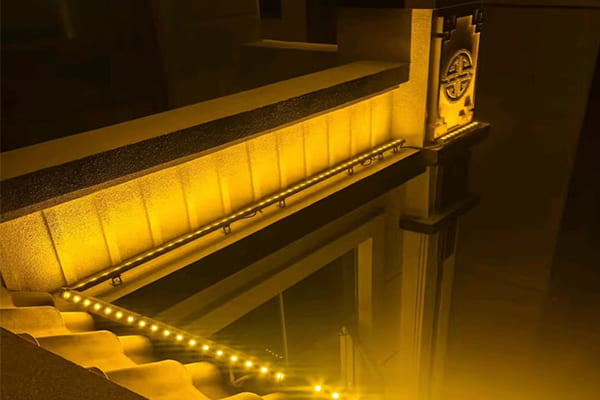
The number one rule in this line of work is simple: do no harm. A historic building1 is not just a canvas for our lights; it's an irreplaceable artifact. Our job is to reveal its beauty, not alter it. This philosophy of "protection first" guides every decision we make, from the fixtures we choose to the light they emit. It's a non-negotiable part of the process.
Minimal Intervention and Reversible Installation
Our golden rule is: no drilling, no gluing, no permanent changes. We treat the building's surface as sacred. Instead of bolting fixtures directly onto the facade, we get creative. We design custom, non-invasive clamps and brackets. These can gently grip onto existing structures, slide into mortar joints between stones, or use tension to hold themselves in place. We often use shock-absorbing pads to ensure there's no pressure damage. The most important part is that every single piece of equipment we install can be removed at any time, leaving the building exactly as we found it. It’s like we were never there. This reversibility is the ultimate sign of respect for the structure and its history.
Zero-Damage Light Sources
The light itself can cause damage if you're not careful. Older light sources produced a lot of ultraviolet (UV) and infrared (IR) radiation. UV light is what causes colors in paintings and tapestries to fade, while IR radiation produces heat that can dry out and crack old wood or delicate stonework. This is why we exclusively use high-quality LED sources. Our LEDs are engineered to be completely free of UV and IR radiation. We are essentially bathing the building in pure, clean light. Furthermore, we almost always use low-voltage DC24V7 systems. This dramatically reduces the risk of fire, which is a major concern for historic building1s, especially those made of wood. Safety is just as important as aesthetics.
What's the Secret to Making Historic Buildings Look Authentic, Not Artificial?
You have surely seen historic building1s lit up with garish, bright colors that look terrible. It is very easy to make a centuries-old structure look like a cheap theme park attraction. The secret to avoiding this is to use subtlety and focus on texture.
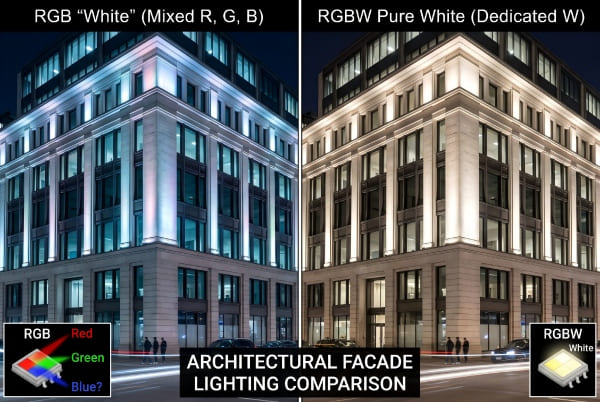
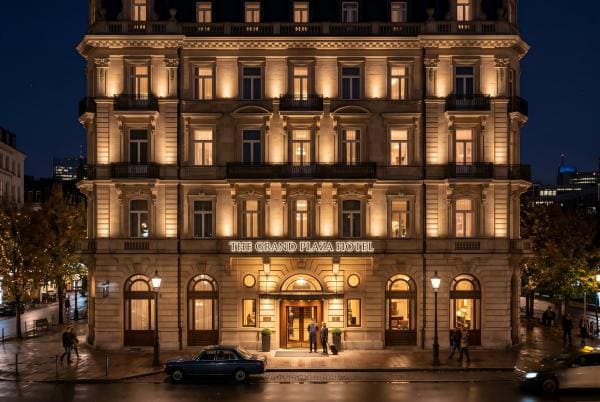
To achieve an authentic look, use a restrained color palette, typically warm white (2200K-3000K), to mimic traditional candlelight. The goal is to "see the light, not the lamp." Use techniques like wall grazing8 and silhouetting9 to reveal the building's natural beauty and texture.

Aesthetic choices are just as important as technical ones. When lighting a historic building1, our goal is not to create a spectacle. It is to reveal the soul of the building that is already there. We want people to see the intricate carvings, the texture of the stone, and the elegant lines of the architecture. The light should feel like it belongs there, as if it's a natural extension of the building itself. This is what I call "restoring texture." It's an art form that relies on restraint and an understanding of how light and shadow play on old surfaces.
Restrained Colors and Texture
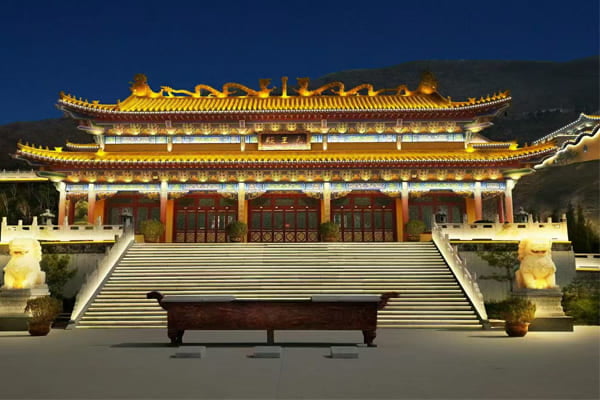
Color is a powerful tool, and with historic building1s, less is more. We almost always stick to a warm color temperature, somewhere between 2200K and 3000K. This range beautifully mimics the soft, gentle glow of traditional light sources like candles and gas lamps. This warm light is magical on old materials. It brings out the rich, natural colors of aged wood and the subtle variations in stone. Instead of washing the building in a flat, uniform light, it creates depth and dimension. We are not painting the building with light; we are using light to reveal the texture and history that is already etched into its surfaces.
The "Invisible" Fixture Philosophy
My personal philosophy is that the audience should see the beautiful effect of the light, not the physical light fixture itself. The "lamp" should be invisible. We work hard to hide the light sources from view. This can be done by using very small, miniature fixtures tucked into architectural details. We also use accessories like anti-glare shields, louvers, and honeycomb grids to direct the light precisely and prevent spill. This eliminates distracting glare and ensures the focus remains on the building. We use specific techniques to achieve this:
| Technique | Description | Best For |
|---|---|---|
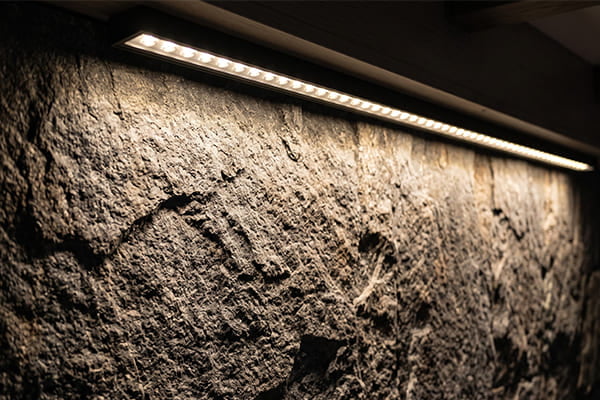
| Wall Grazing | Placing lights very close to a surface and aiming them parallel to it. | Highlighting rough textures like old stone or brickwork. |
| Silhouetting | Lighting the wall or area behind an object, not the object itself. | Emphasizing a building's unique shape and outline. |
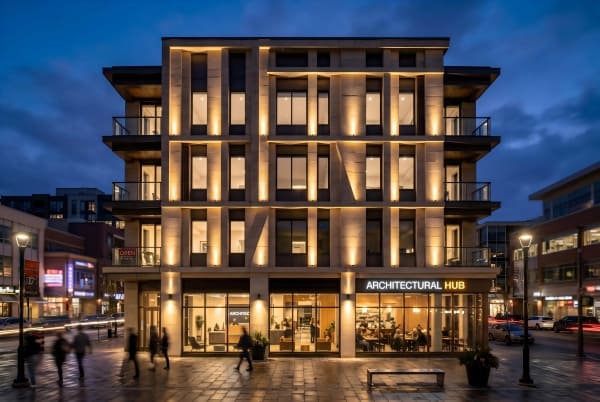
| Accent Lighting | Using a narrow, focused beam to highlight a specific feature. | Drawing attention to statues, columns, or carvings. |
By using these methods, we create a sophisticated lighting scheme that feels intentional and respectful, avoiding the "over-lit" look that can make a building feel cheap.
How Do Modern Technologies Help Implement These Lighting Designs?
Getting the lighting just right for a historic building1 can be very difficult. You might use too much light, causing light pollution10, or not enough light, failing to show the details. Smart control systems give you the complete and precise power to manage the light perfectly.
Modern technologies like the DMX512 control system11 allow for precise management of brightness, color, and timing. When combined with narrow-angle lenses, you can focus light exactly where it is needed. This prevents light waste, reduces light pollution10, and allows for dynamic scenes12 that change over time.
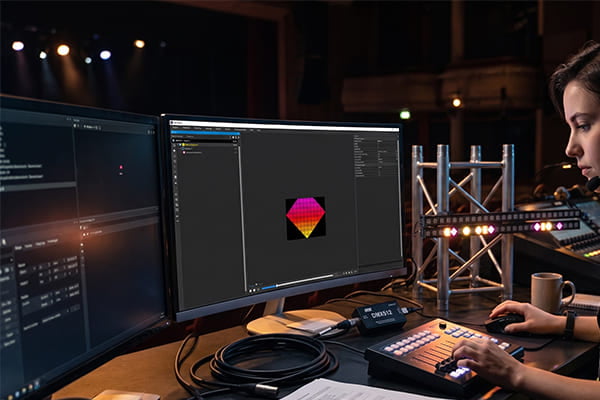
All these principles of protection and aesthetics are brought to life through modern technology. The right tools allow us to execute our vision with incredible precision. Smart lighting isn't just about flashy color-changing effects, especially not for heritage projects. For us, it's about control, efficiency, and the ability to adapt. It's what allows the light to be a "thin veil," gently revealing the texture of time.
Precision Control with DMX512
DMX512 is a digital language that allows us to talk to each light fixture individually. In simple terms, it gives us complete control. We can tell a specific light to be at 100% brightness at 7 PM, dim down to 30% at midnight, and turn off at sunrise. This level of control is essential for historic projects. It helps us save energy and significantly reduces light pollution10, which is a key part of responsible lighting design. We can also combine DMX controls with very narrow-angle lenses. This allows us to "paint" with light, placing it exactly on a column, a window frame, or a cornice, with minimal spill onto other areas. This precision ensures the architectural integrity is the star of the show.
The Importance of Mock-ups and Collaboration
You can't get this kind of work right by just designing on a computer. Every building is different. The way light interacts with 300-year-old stone is unique. That's why we always insist on doing an on-site test, which we call a "mock-up," before any final installation. I remember a recent project in 2024 at a beautiful temple in Vietnam. The client was understandably nervous about the final look. We brought several of our fixtures to the site one evening. We set up about 500 meters of our 2700K DC24V 24W wall washers and nearly 2,500 of our DC24V 12W 2700K tile lights. By testing them on the actual walls, we could show the client exactly how the warm light would enhance the temple's sacred atmosphere13. Seeing the effect in person gave them complete confidence. That project became a huge success because we tested, collaborated, and proved the concept first.
Conclusion
Lighting historic building1s is about respect. With the right LED technology, non-invasive methods, and a careful design approach, we can reveal their timeless beauty for everyone to enjoy.
Explore expert insights on preserving the integrity of historic buildings while enhancing their beauty. ↩
Explore methods that allow for easy removal of lighting without damaging historic structures. ↩
Understand how warm lighting enhances the aesthetic appeal of historic architecture. ↩
Find out how technology can optimize lighting while preserving the character of heritage sites. ↩
Discover techniques that highlight the unique features of heritage architecture. ↩
Discover strategies to minimize fire risks while illuminating valuable heritage sites. ↩
Learn how low-voltage systems enhance safety and efficiency in historic building lighting. ↩
Learn about this technique that highlights textures and details in historic buildings. ↩
Discover how this technique can emphasize the unique shapes of historic structures. ↩
Explore strategies to minimize light pollution while enhancing visibility. ↩
Understand how this technology allows for precise control of lighting in heritage projects. ↩
Understand how changing lighting can enhance the experience of historic buildings. ↩
Discover how thoughtful lighting can enhance the spiritual experience of heritage locations. ↩