What Is an LED Mesh Screen for Media Facades?
You have a massive building facade that looks dull and lifeless at night. You want to turn it into a dynamic landmark, but traditional LED video screens are heavy, block daylight, and completely hide the building's architecture.
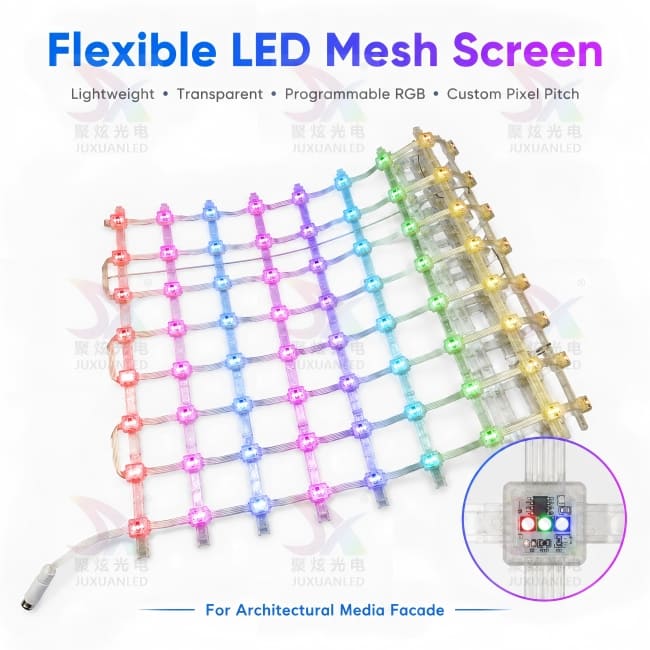
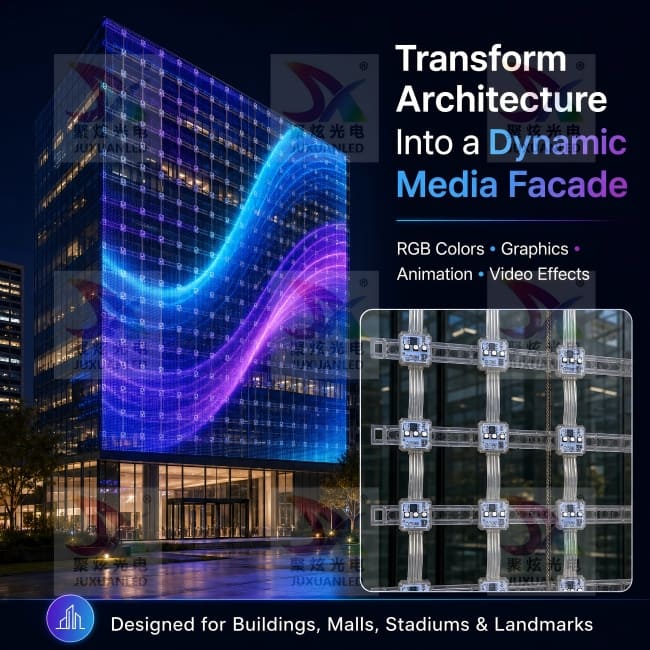
An LED mesh screen is a lightweight, semi-transparent grid of individually programmable RGB pixels. It's designed to display video and animations on a building's exterior without completely blocking the view from inside or obscuring the architectural design.
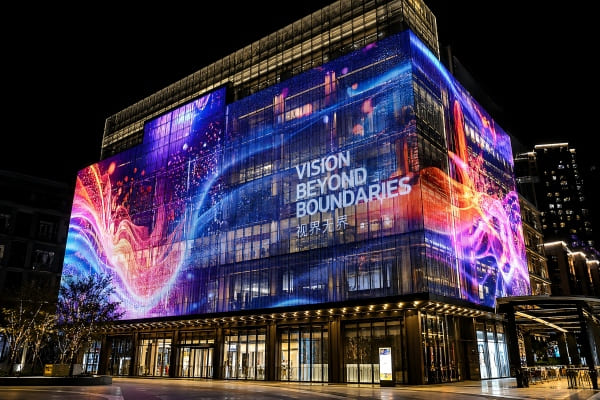
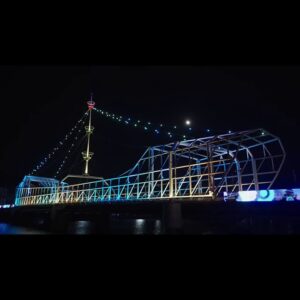
I've specified these systems for everything from shopping malls to towering skyscrapers. They are the perfect solution for creating a media facade. You get the impact of a giant video screen while still respecting the building itself. It's like a digital skin for architecture. Let's dive into how it works.
How Transparent Is an LED Mesh Screen?
You want to create a media facade, but the building owner is worried about blocking windows. A solid black screen during the day would ruin the interior spaces and the building's daytime appearance.
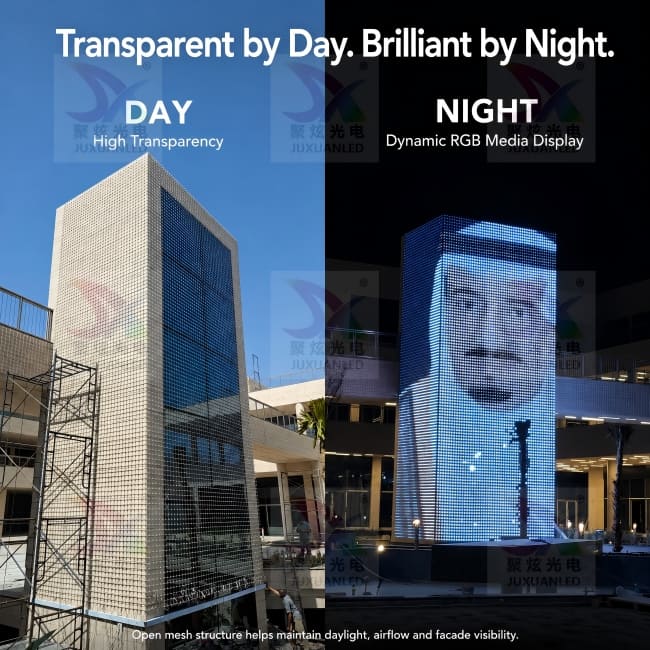
LED mesh is designed for high transparency, often ranging from 30% to over 80%. This allows plenty of natural daylight to pass through, preserving views from the inside and maintaining the building's original look when the screen is off.
Seeing Through the Technology
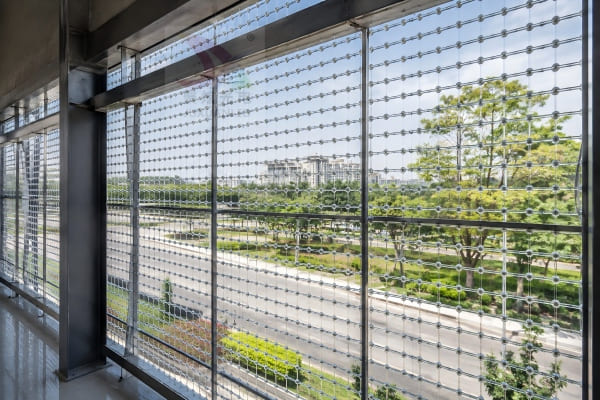
The "magic" of LED mesh is its structure. Instead of a solid circuit board like a TV, it consists of thin vertical or horizontal bars holding small pixels. The space between these bars is open air. This is what creates the transparency. From a distance, the human eye blends the pixels together to see a solid image. But up close, or from inside, you can see right through the gaps.
I remember a project for a new shopping mall. The client was worried the screen would make the interior feel like a cave. We installed a P50 mesh screen. During the day, you hardly notice it's there from the inside. Sunlight streams in, and shoppers can still see out. But at night, the entire 50-meter-wide facade comes alive with vibrant advertisements and art. It delivered the best of both worlds.
Balancing Transparency and Resolution
The level of transparency is directly related to the pixel pitch (the distance between pixels).
- Higher Pixel Pitch (e.g., P100): More space between pixels means higher transparency but lower resolution. This is great for very large facades viewed from far away.
- Lower Pixel Pitch (e.g., P32.5): Less space between pixels means lower transparency but higher resolution (a sharper image). This is better for areas with closer viewing distances.
Why Is a Lightweight Structure So Important?
You have an idea for a massive 1,000-square-meter screen. But the structural engineer warns that a traditional LED screen would weigh tonnes, requiring a huge, expensive steel support structure that the building was never designed for.
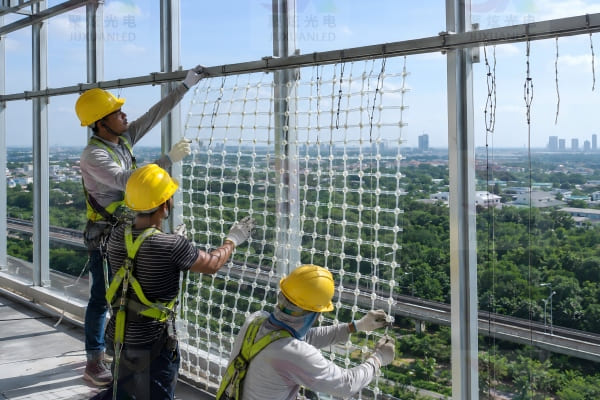
A lightweight mesh structure dramatically reduces the load on the building. This makes installation faster and cheaper, and allows giant screens to be installed on existing facades that could not support the weight of a conventional LED display.
The Curtain vs. The Wall
Think of it this way: installing a traditional LED screen is like building a new brick wall onto the side of your building. Installing an LED mesh screen is like hanging a high-tech curtain. The weight difference is enormous. A typical mesh screen can be 60-80% lighter than a solid LED cabinet of the same size.
This has huge practical benefits for contractors and owners.
- Less Steel, Less Cost: You need a much smaller and lighter support frame, saving a huge amount on steel and engineering costs.
- Faster Installation: Lighter panels can often be handled by smaller teams with less heavy machinery, speeding up the entire project schedule.
- More Possibilities: Buildings that were previously "off-limits" for large media screens due to structural load limits can now be considered.
On a stadium renovation I consulted on, the client wanted to wrap the upper bowl in a video screen. The original structure couldn't support the 40+ tonnes a traditional screen would have weighed. By using a lightweight mesh, we brought the total weight down to under 10 tonnes, which the existing structure could handle with minimal reinforcement. It saved the project.
Can LED Mesh Screens Fit Curved or Unique Buildings?
Your architectural design features a beautiful, flowing curve. A standard, flat video screen would break that curve and look like an awkward, tacked-on box, ruining the architect's vision.
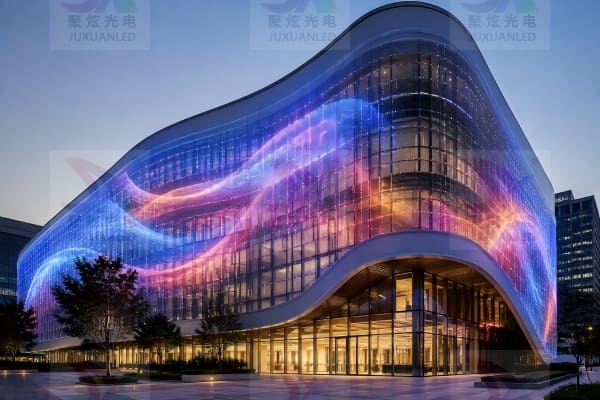
Yes. LED mesh screens are highly flexible and can be customized to fit curved, corner, or other irregular architectural shapes. The system is made of smaller panels or flexible strips that can follow the building's contours for a truly integrated look.
Customization is Key
The power of a mesh system is its modularity. You aren't buying a single, giant, rigid screen. You're getting a system that can be tailored to your exact needs. This opens up a world of creative possibilities for designers and architects.
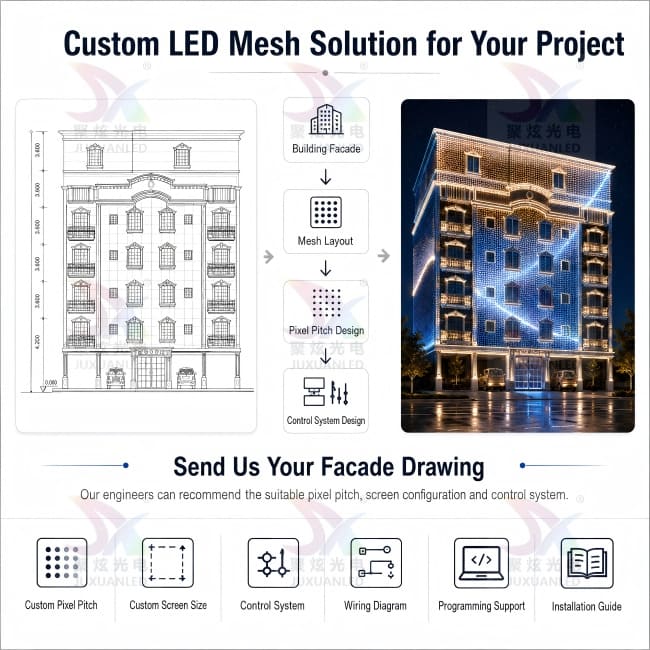
The customization process is straightforward and collaborative. It allows us to ensure the final product fits perfectly, not just in size, but in performance and function.
| Customization Step | What We Do | Your Input |
|---|---|---|
| 1. Concept Review | We analyze your architectural drawing or concept. | Send us your drawings (CAD, 3D models). |
| 2. System Design | We recommend the right pixel pitch and design the panel layout and control system. | Confirm viewing distances and content goals. |
| 3. Sample Approval | We can provide a sample panel for you to test and approve the quality and effect. | Review and sign off on the sample. |
| 4. Production | We manufacture the custom-sized panels, cables, and connectors for your project. | Confirmation of all specifications. |
This process ensures that when the product arrives on site, it fits the building like a glove, with no surprises.
How Do You Control the Animation on a Mesh Screen?
You want to display stunning video content, not just simple color changes. You're concerned that programming and controlling a screen that covers an entire building will be incredibly complicated.
Each pixel on the screen is individually addressable, controlled by a central system. By choosing the right pixel pitch for your viewing distance, you can display everything from smooth animations and scrolling text to full high-definition video feeds.
Pixel Pitch and Viewing Distance
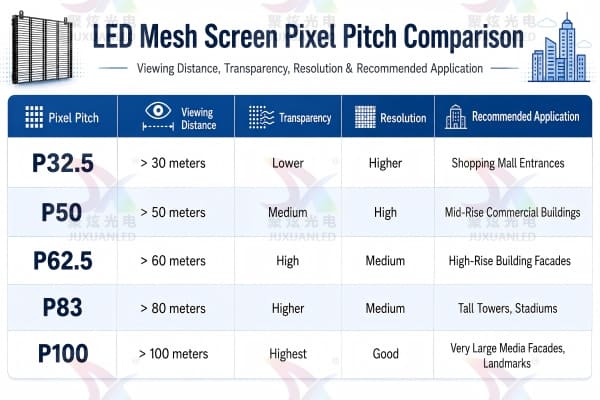
The most important decision for any media facade is choosing the right pixel pitch. "Pixel pitch" is the distance in millimeters from the center of one pixel to the center of the next. A smaller number means a higher resolution and a closer optimal viewing distance.
I always ask my clients one question first: "Where will people be standing when they watch this screen?" The answer determines everything. You don't need a super-high resolution P10 screen on a skyscraper that will only be seen from a kilometer away; a P100 would look just as good from that distance and be far more transparent and cost-effective.
| Pixel Pitch | Optimal Viewing Distance | Transparency | Brightness | Recommended Application |
|---|---|---|---|---|
| P32.5 | > 30 meters | Lower | Higher | Shopping Mall Entrances |
| P50 | > 50 meters | Medium | High | Mid-Rise Commercial Buildings |
| P62.5 | > 60 meters | High | Medium | High-Rise Building Facades |
| P83 | > 80 meters | Higher | Medium | Tall Towers, Stadiums |
| P100 | > 100 meters | Highest | Good | Very Large Media Facades, Landmarks |
The Control System
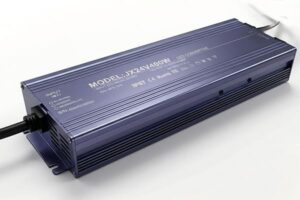
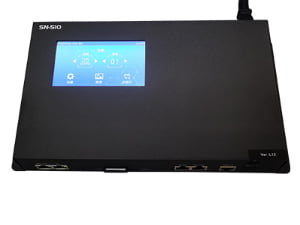
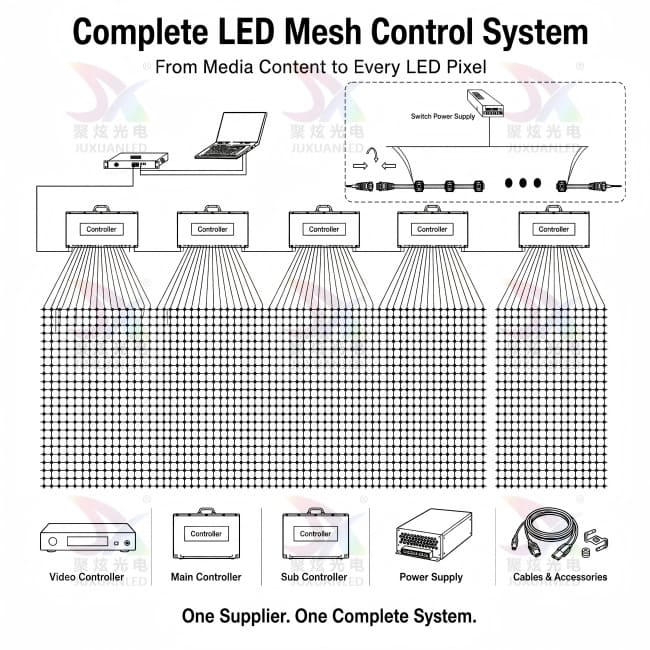
The brain of the operation is the control system. We supply the complete package: main controllers, sub-controllers, power supplies, and all the necessary software. The system works by taking a standard video source (from a computer or media player) and mapping it across the thousands of individual pixels on your custom-shaped screen. It's a complex task made simple by specialized hardware and software.
How Does It Survive Rain and Sun?
It's a huge electronic device installed outdoors. You're worried that the first heavy storm or scorching summer will cause failures, leading to dead pixels and expensive repairs on a hard-to-reach facade.
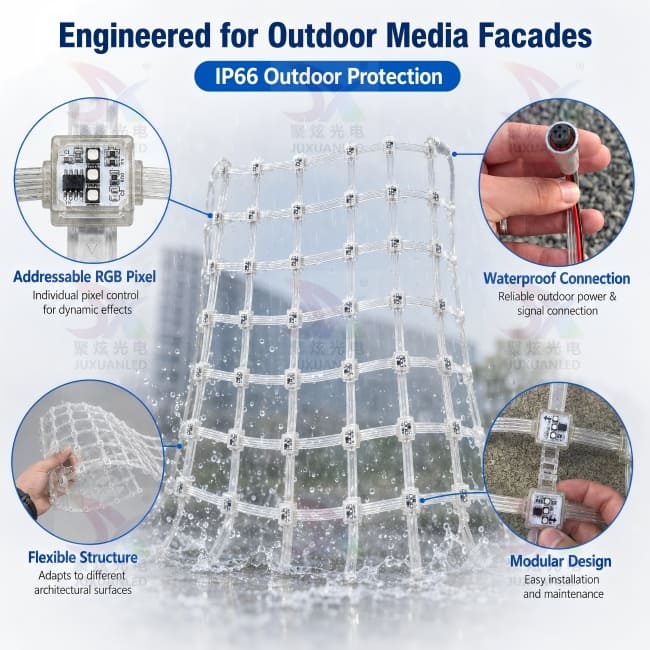
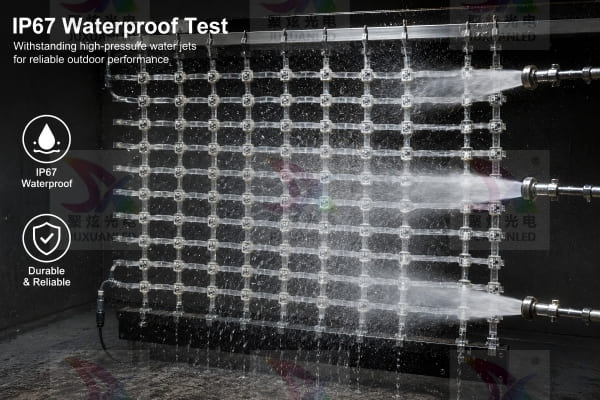
These screens are built for long-term outdoor operation with an IP67 waterproof rating, UV-resistant materials, and fully sealed cables and connectors. They undergo rigorous testing to ensure they can handle rain, sun, and extreme temperatures.
Built to Endure
An outdoor rating is more than just a label; it's a system of design choices.
- IP67 Rating: This is a critical specification. The '6' means it's completely sealed against dust. The '7' means it can be temporarily submerged in water. This is far beyond just being "weather-resistant" and ensures reliability even in tropical downpours or wind-driven rain.
- UV-Resistant Materials: The pixel housings are made from high-quality polycarbonate (PC), not cheap plastic. This material contains UV inhibitors that prevent it from becoming yellow and brittle after years of exposure to direct sunlight.
- Rigorous Testing: Before anything leaves my supplier's factory, it goes through a torture chamber. This includes 72-hour aging tests (running it at full power to find early failures), high-pressure water spray tests, and full system communication tests to ensure every single pixel works perfectly.
This focus on quality control is what gives me, and my clients, peace of mind. When you're installing a screen 30 stories up, you want to know it was built right from the start.
FAQ
What is an LED mesh screen?
It's a semi-transparent screen made from a grid of programmable LED pixels. It's used on building facades to display video and graphics without completely blocking views or daylight.
What is the difference between an LED mesh screen and a traditional LED display?
An LED mesh screen is lightweight, transparent, and flexible. A traditional LED display is a solid, heavy cabinet that is not transparent and is typically rigid and flat.
How do I choose the right pixel pitch?
Choose based on the minimum viewing distance. The further away the audience is, the larger (higher number) the pixel pitch you can use. Refer to the table in the article for specific recommendations.
What is the optimal viewing distance for an LED mesh screen?
The optimal viewing distance is the point where the individual pixels merge into a smooth image. As a general rule, the minimum viewing distance in meters is roughly equal to the pixel pitch in millimeters (e.g., for P50, the minimum distance is around 50 meters).
Can LED mesh screens be used outdoors?
Yes, they are specifically designed for outdoor use. Look for a rating of at least IP65; our models are IP67, offering even higher protection against water and dust.
How transparent is an LED mesh screen?
Transparency depends on the pixel pitch. It can range from around 30% for high-resolution models to over 80% for very large pitch models, allowing daylight and views to be maintained.
Can the screen display video and animation?
Absolutely. The system is controlled by a video processor that can play back standard video files, animations, graphics, and text, just like a normal TV or computer monitor.
How is an LED mesh screen controlled?
It uses a dedicated control system consisting of a main controller (which receives video input) and sub-controllers that distribute the signal to the individual mesh panels. The protocol is typically a high-speed variant of SPI or a proprietary video protocol.
How do you install an LED mesh screen on a building facade?
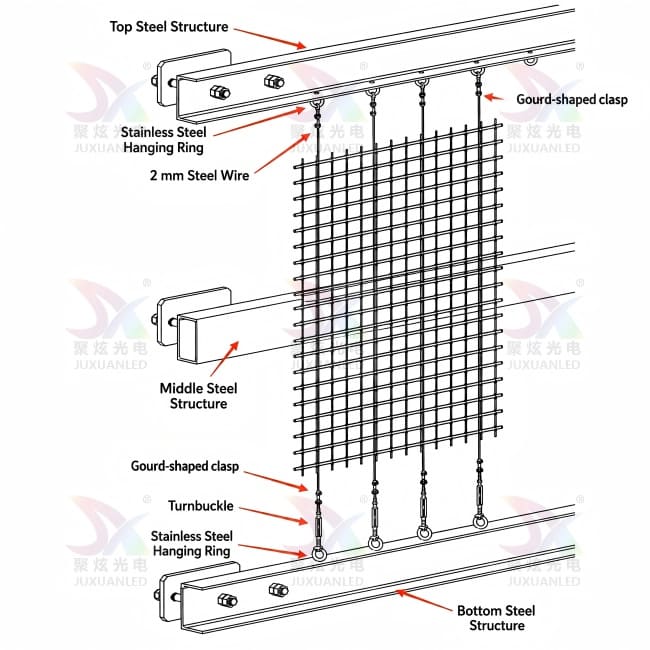
It's typically hung from a lightweight steel or aluminum support structure that is anchored to the building. The lightweight panels are then clipped or bolted onto this frame.
Can the size and pixel pitch be customized?
Yes, both are fully customizable. The screen is built to order based on your project's specific dimensions, required pixel pitch, and architectural shape.
What information do you need for a quotation?
To provide an accurate quote, we need the desired screen dimensions (width and height), the required pixel pitch (or the minimum viewing distance), and a drawing or photo of the installation site.
Can you provide the controller, wiring diagram, and programming?
Yes, we provide a complete turnkey solution. This includes the mesh screen panels, all controllers, power supplies, cables, a detailed wiring diagram for your specific project, and support for programming the system.